Junk Removal Services in your area

Junk removal services in your area should feel straightforward: unwanted items collected, spaces cleared sensibly, and the work handled with care for the property and the material being removed. We provide a practical service for household and commercial clearances, whether the job involves a few awkward items, mixed waste from a project, or a fuller property clearance that needs sorting. The aim is to make the process clear from the first enquiry, with the right collection arranged for the type and volume of material involved.
Our work covers a broad range of rubbish removal and waste collection needs, with options that can suit general clutter, bulky furniture, and other items that are no longer wanted. We also support customers who need a more targeted service for a loft, garage, flat, office, or outdoor area. If you are comparing services, the useful question is often not simply what can be taken, but how the items will be handled, separated, and removed in a way that suits the access and the contents.
For an initial conversation, it helps to describe the type of junk, the rough amount, and whether anything is especially heavy, delicate, or awkward to move. Clear details save time and help us match the job to the right collection approach. If you are ready to take the next step, you can ask for a quotation in plain terms and decide what works best for your schedule.
Household clearances and everyday junk removal
Many enquiries begin with domestic items that have built up over time, and the service needs to be flexible enough to deal with both isolated items and fuller clearances. We handle general house clearance work, including loose household junk, mixed furniture, and unwanted belongings from rooms that need to be reset. Where the task is broader, the process can be organised around the layout of the property so that items are removed efficiently without forcing a rushed or untidy approach.
Useful related pages include house clearance for more complete domestic work and flat clearance where access, stairs, or communal areas may need particular attention. If the job is tied to an inherited property or the contents of a home after a life event, probate clearance and probate house clearance explain those situations more directly. Each type of property can require a slightly different method, especially where the contents include both keepers and items for removal.
When you are planning a domestic clearance, it usually helps to decide what must stay, what can go, and whether anything needs to be separated before collection. Photographs or a written list can make the enquiry easier, particularly where there are many items or limited access points. For a straightforward start, simply outline the rooms involved and the kind of material waiting to be removed.
Furniture, bulky items and larger household objects

Bulky pieces often need a different approach from bagged waste or loose clutter, because the item size, weight, and shape affect both handling and loading. We remove general furniture and larger household objects that are no longer needed, including items that may be difficult to shift through narrow hallways or shared entrances. The service is designed to cover the practical side of removal so that customers are not left trying to solve transport, lifting, and disposal separately.
Relevant pages include furniture removal and collection, sofa removal and collection, and large item collection. Where specific items are involved, sofa removal, furniture disposal, and furniture clearance help to distinguish a single-item job from a wider room or property clearance. The right choice depends on whether you need one bulky item removed or a fuller clear-out around it.
For this kind of work, access details matter. It is helpful to know about stairs, lifts, long carries, parking restrictions, or anything that could affect moving a bulky item out safely. Measure if you can, but if that is not practical, a clear description is usually enough to begin. If you would like support with a furniture-heavy job, ask for a quotation and we can match the collection to the load.
Clearance for lofts, garages and stored clutter
Storage spaces can accumulate a wide mix of items, from boxes and broken household goods to forgotten furniture and material left after a move. We handle clearance work in lofts and garages where the main challenge is usually sorting through an accumulated mix rather than removing one obvious item. A careful approach is important here because access can be tight, items may be dusty or fragile, and some things may need to be kept aside rather than cleared with the rest.
For targeted jobs, loft clearance and garage clearance describe the sort of work often needed in storage areas. More general pages such as property clearance and home clearance are useful where several areas of the building need attention together. If the clutter has built up across different rooms as well as the loft or garage, a wider planning discussion can help decide whether the work should be staged or tackled in one visit.
Because these spaces often contain a mixture of items, it can help to separate obvious keepers before the collection is arranged. A simple room-by-room note is often more practical than trying to describe every small object. If you are not sure how much is involved, a brief summary is enough to start the quotation process.
Garden, outdoor and builder-generated waste
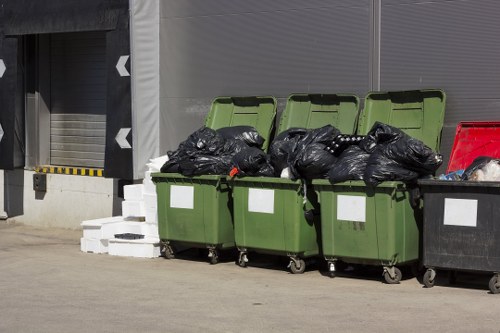
Outdoor clearances usually involve material with a different shape and weight profile from indoor junk, so the service needs to account for soil, cuttings, broken fittings, renovation debris, and other mixed waste. We handle garden and exterior collections where the work may include bags of green waste, old outdoor items, dismantled shed contents, or material left behind after landscaping or minor building work. The right collection method depends on whether the waste is mainly organic, inert, or a mixed load from several tasks.
Useful pages include garden waste clearance, garden clearance, and builders waste clearance. If the material has been gathered from several sources, bulk waste collection and waste clearance may be a better fit than a single specialised item page. Where recyclable material has been separated from general rubbish, waste recycling and recycling and rubbish show the broader approach to handling mixed loads responsibly.
Tell us about access and the type of material if the waste is spread across a garden, drive, or side passage. That makes it easier to judge how the work should be organised and whether any sorting is needed before collection. For a quick response, list the main categories of material rather than every single item.
White goods, mattresses and specialist item removal
Some jobs are defined by individual items that are bulky, awkward, or require separate handling because they do not fit neatly into general household rubbish. We remove specific items such as mattresses, fridges, and other white goods, as well as possessions that are too heavy or cumbersome to manage without help. This kind of service is useful when one object is the main problem, but it can also be combined with a wider clearance if the item is part of a larger room or property job.
Relevant pages include mattress removal and collection, mattress disposal, and fridge disposal. For other household appliances, white goods recycle supports the same idea of removing specific large items with the right processing in mind. If the item is one among several unwanted pieces, it may be more efficient to combine it with a general bulky waste collection or a broader rubbish collection.
These jobs often depend on simple practical details: the item size, where it is positioned, and whether it can be moved without disturbing other contents. It is worth checking the route out of the property before the collection date, especially where a mattress or appliance needs to pass through narrow spaces. If you want the most suitable option, ask for a quotation and mention the specific item type.
Commercial and office junk removal
Businesses often need junk removal for furniture, stock, packaging, obsolete equipment, or mixed waste that has built up in a workspace or storage area. We support commercial clearances that can be scheduled around the practical needs of offices, shops, and other business premises. The objective is to remove unwanted material without turning the job into a disruption, and to handle the contents in a way that suits the building, the access, and the type of material involved.
For business-focused work, commercial waste collection, commercial waste disposal, and business waste removal provide closely related routes. If the main setting is an office environment, office clearance and office clearances are more specific, while waste collection and waste disposal give a broader service picture. That flexibility matters where a business wants one coordinated clearance rather than several separate arrangements.
It is helpful to note whether the material includes desks, chairs, archive items, packaging, or general rubbish, because the category can influence the handling and sorting needed. Keep the description practical and brief; the collection team can then advise on the most suitable service. If your workspace needs clearing, request a quotation and include a short list of the main items.
How we plan the right collection
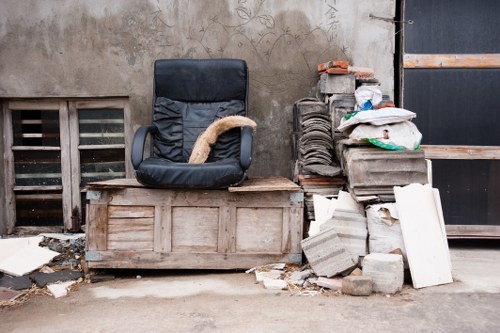
Choosing the most suitable junk removal service starts with understanding what is being removed and how the item or load is situated. A few bags of mixed rubbish, a set of bulky furniture, and a fuller house clearance all need a different level of organisation, even if the end result is the same: a clear space and a properly handled load. Our role is to match the collection to the task rather than force every job into one generic format.
When the contents are diverse, the practical options are often clearer than they first appear. A customer may need rubbish clearance for general mixed waste, waste removal for a broader load, or garbage collection when the priority is simply taking away accumulated refuse. In other cases, trash collection or junk clearance may better describe the kind of job involved. The wording matters less than making sure the right work is described.
If you are unsure how to classify the job, a short summary of what needs to go and where it is located is usually sufficient. One clear message is better than several uncertain guesses. From there, the collection can be shaped around the job rather than the other way around.
About your area
Junk removal in your area sits naturally within the wider pattern of everyday life, where homes, businesses, and storage spaces all generate material that eventually needs to be moved on. The area itself is not defined by one single character, but by the ordinary mix of properties, routines, and local spaces that shape how people use buildings and keep them in order. Residential streets may include older houses, newer developments, and flats, while commercial parts of the area can add shops, workshops, and small workplaces to the same local picture. That mixture often gives a place its working identity: one street may feel quiet and domestic, while another carries the movement of deliveries, visitors, and daily services. Local parks, walking routes, community facilities, and ordinary high street activity can also contribute to the sense of place, creating a balance between convenience and green or social space. Where waterways, railway lines, historic building styles, or long-established civic landmarks are present, they add another layer to the area’s character, linking present-day use with older phases of development. Many British places have grown in stages, and that is often visible in the layout: some roads follow older routes, some estates reflect later expansion, and some centres have a blend of historic frontage and more practical modern buildings. Taken together, these details shape a place that is not just a point on a map but a lived-in locality with its own everyday patterns, architecture, and pace.
What to include when you ask for a quotation
The most useful quotation requests describe the type of junk, the amount involved, and the setting where the items are located. If the work is simple, that may be enough. If it is more involved, add details about stairs, parking, restricted access, mixed materials, or anything that needs to be kept separate. This makes it easier to judge the shape of the job and to choose the most suitable service from the outset.
For the clearest estimate, it can help to mention whether you need one item taken away, several bulky pieces cleared, or a broader room, garage, loft, or business space emptied. If some items are reusable, recyclable, fragile, or especially awkward, say so at the same time. That way, the job description is more accurate and the collection can be planned without unnecessary back-and-forth.
If you are ready to move forward, ask for a quotation today. For a direct next step, use our contact page and send the main details in one message.
Sorting, recycling and responsible disposal
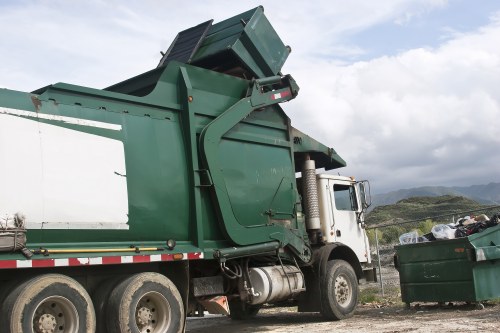
Not every junk removal job is the same once the items have been loaded. Some loads are mostly one type of material, while others contain a mixture of reusable pieces, recyclable components, and general waste. We aim to handle those differences sensibly, keeping the work practical for the customer while also recognising that some items can be separated more effectively than others. That is especially relevant where a clearance includes furniture, appliances, and mixed domestic or business waste together.
Pages such as recycling and sustainability, waste recycling, and recycling and rubbish explain the wider approach to dealing with material that should not simply be treated as one undifferentiated load. Where a customer wants a broader disposal route, waste disposal and waste removal are also relevant. The useful decision is whether the main aim is to clear space, separate material carefully, or arrange a more complete disposal service for a mixed load.
Think about what is reusable, recyclable, or simply ready to go before the work is arranged. Even a short note can make the collection process more efficient and more accurate. If you would like help choosing the right option, request a quotation and describe the load in practical terms.