Bulk Waste Collection in London
If you need bulk waste collection in London, you are likely dealing with more than just a couple of bin bags. It might be an old sofa that will not fit down the stairs, a broken wardrobe from a flat in Hackney, renovation rubble from a townhouse in Clapham, or office clutter that has built up in a busy commercial unit near the City. Whatever the situation, the right service should make the process simple, safe, and quick for you.
London homes and workplaces create all kinds of bulky rubbish, and not every item is easy to move, sort, or dispose of correctly. That is where a local bulk waste collection service becomes especially useful. It helps households, landlords, property managers, shops, offices, and tradespeople clear large items without the stress of hiring a van, arranging labour, or trying to figure out where everything should go.
Request a free quote when you are ready, or book your service now if you already know what needs removing. A good local team can help you clear space efficiently while keeping disruption to a minimum.
Why bulk waste collection matters in a city like London
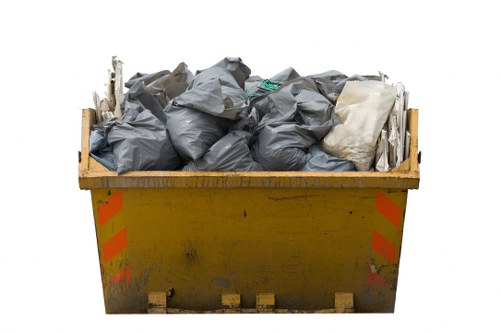
London is not built around easy access. Many properties have narrow hallways, shared stairwells, tight front gardens, basement conversions, permit-controlled streets, and limited parking. That means bulky waste is rarely as straightforward as placing it on the kerb and waiting for it to disappear. In many parts of the capital, moving large items out safely is half the job.
For residents, bulk waste collection can help when a renovation ends, a family home is being cleared, or furniture is being replaced after a move. For business customers, it can support office refits, retail changes, hospitality upgrades, and regular clearance after stock changes or refurbishments. In both cases, the key benefit is the same: a practical removal service that fits the pace and pressure of London life.
Using a local bulk waste removal service also means the team is likely familiar with common borough restrictions, traffic patterns, loading issues, and property layouts. That local knowledge can make a real difference when time is limited and access is awkward.
Typical bulky items we are asked to remove
Bulk waste can cover a wide range of large or awkward items. Some are heavy, some are oversized, and some need careful handling to prevent damage to walls, flooring, lifts, or communal areas. The exact load will vary, but common examples include:
- Sofas, armchairs, and recliners
- Beds, mattresses, wardrobes, and chest of drawers
- Desks, shelving, filing cabinets, and office chairs
- White goods such as fridges, freezers, washing machines, and cookers
- Carpets, underlay, and other flooring materials
- Garden waste, fencing, and shed materials
- DIY and refurbishment waste, including broken fixtures and fittings
- Mixed bulky rubbish from moves, clearances, or landlord end-of-tenancy work
Not sure whether your item counts as bulky waste? If it is too large for normal bins or too awkward to carry without help, it is worth speaking to a local collection team.
What a professional service can include
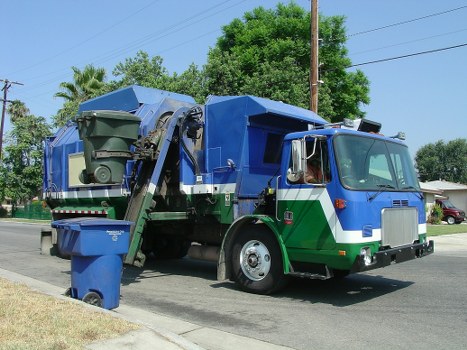
A proper bulk waste collection service is about more than just turning up with a vehicle. Customers usually want the job handled efficiently from start to finish, especially when access is tight or the waste needs to be removed from inside the property. A professional team can usually help with loading, lifting, transport, and responsible disposal or recycling where applicable.
Depending on the job, the service may include removal from houses, flats, maisonettes, offices, shops, studios, warehouses, or communal areas. It may also involve careful handling through stairways, corridors, service lifts, rear alleys, basements, or shared entrances. For many London customers, that practical support is the main reason to book a local specialist instead of trying to do it alone.
In many cases, customers also want the waste sorted properly. A reputable team will often separate recyclable materials where possible and handle items in a way that supports lawful disposal. That matters for peace of mind, especially when the load includes mixed materials from a renovation or a business clearance.
Common situations where customers need bulky rubbish removal
Bulk waste collection in London is often requested for very real, everyday reasons. The most common situations include:
- Moving home and needing to clear furniture that will not be taken to the new property.
- End-of-tenancy clearances where large items have been left behind or need to be removed before new occupants arrive.
- Kitchen, bathroom, or loft refurbishments that create awkward, heavy, or mixed waste.
- Office clear-outs when desks, chairs, cabinets, and equipment are being replaced.
- Retail and hospitality changes that leave surplus fixtures, fittings, and packaging waste.
- Garden and outdoor projects where broken furniture, timber, fencing, or shed parts need collecting.
Tip: If you are replacing several large items at once, it is often easier and more cost-effective to arrange a single collection rather than several smaller ones.
How bulk waste collection works
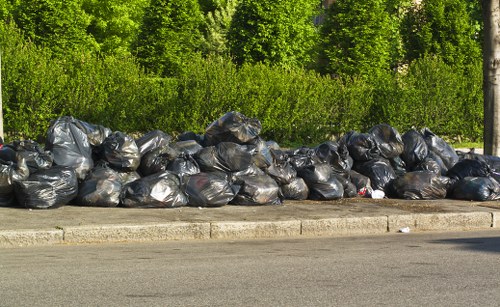
Most customers want a service that is easy to understand. The process usually begins with a description of what needs removing, where the items are located, and how accessible the property is. In London, these details matter because they affect the time needed on site and the type of vehicle or crew required.
Once the job is confirmed, the team arrives at the arranged time, assesses the items, and carries them out safely. If the waste is in a flat on an upper floor, in a basement, or at the end of a long shared hallway, the crew will factor that into the removal process. After loading, the waste is transported away for appropriate handling.
For many people, the benefit is not just speed but reduced disruption. You do not have to rent a vehicle, find parking, lift awkward items, or arrange multiple trips. You can keep your day moving while the bulky rubbish is taken off your hands.
Step-by-step service process
A straightforward service typically follows these steps:
- Enquiry: You explain what needs collecting, where you are in London, and any access issues.
- Assessment: The service is matched to the amount and type of bulk waste involved.
- Booking: A convenient collection time is arranged.
- Arrival: The team turns up and confirms the items to be removed.
- Removal: The waste is carried out and loaded safely.
- Transport: The items are taken away for sorting, recycling, or disposal where applicable.
Good communication is important here. If anything changes before the collection, such as access restrictions or extra items being added, letting the team know in advance helps avoid delays.
Useful access details to mention when booking
London customers should always share practical details that may affect the collection. These include whether there is a lift, whether parking is available close to the entrance, whether the property is inside a controlled parking zone, and whether bulky items are in a loft, cellar, garden, or rear outbuilding.
Bulk waste collection for homes, landlords, and tenants

Domestic waste collection is one of the most common reasons people search for bulk waste collection in London. From compact flats in Shoreditch to family homes in Wimbledon, households often need help with items that are too large for the usual rubbish service. The challenge is not only the size of the waste but also the space available to move it.
For tenants, bulky rubbish can be a concern at the end of a tenancy. A sofa, mattress, or broken table left behind can cause stress when the keys need to be returned. Landlords and letting agents also need a practical solution when a property has been vacated and the next occupant is waiting to move in. In those situations, a local collection team can help bring the property back to a usable condition quickly.
Homeowners often need bulk rubbish removal after decorating, replacing old furniture, or clearing space for a new layout. In London terraced homes and period conversions, bulky items can be especially awkward because staircases are narrow and access routes are limited. A reliable team helps reduce the risk of knocks, scuffs, and delays.
How local property types affect the job
London is full of different property styles, and each one presents its own challenges. A bulk waste collection service should be ready to deal with:
- Purpose-built flats with shared lifts and communal corridors
- Converted houses where staircases may be narrow or steep
- Victorian and Edwardian terraces with limited frontage and restricted access
- Basement and lower-ground homes where carrying items up steps is unavoidable
- Estate properties where parking and loading need to be planned carefully
- Modern apartment blocks with concierge or access control requirements
Why this matters: the easiest-looking job can become difficult if access is not planned properly. A local team that understands London housing stock can work more efficiently and safely.
For customers with multiple bulky items
If you have more than one large item, it often helps to list them before booking. That way, the team can prepare for the right amount of labour and time. It also helps if items are grouped together in one room or near the exit where possible. Even small preparation steps can make the service smoother.
Bulk waste removal for businesses and commercial premises
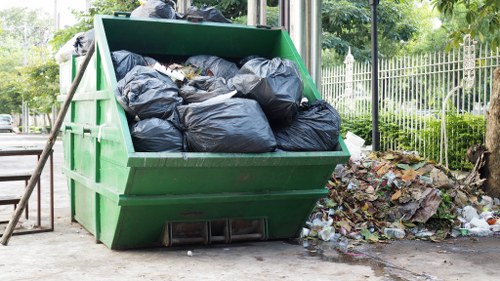
Commercial customers across London use bulky waste collection for a wide range of needs. Offices clear old desks and storage units. Retailers remove worn display fixtures. Restaurants and cafés dispose of counters, seating, and non-food equipment. Tradespeople may also need mixed clearance after refurbishment or installation work.
In a commercial setting, timing matters. Many businesses need waste removed outside customer hours, before opening, or during a scheduled refurb window. A local collection service can help reduce downtime and keep the premises presentable and usable. That is particularly useful in busy areas where space is limited and access must be managed carefully.
Bulk waste collection for businesses also supports a cleaner working environment. Clearing surplus items can free up storage, improve safety, and create space for the next stage of operations. Whether you manage a single unit or several properties, having a dependable removal option can save your team time and effort.
Who uses this service commercially?
- Offices needing clearance after reconfiguration or relocation
- Retail shops replacing shelving, counters, or display units
- Hospitality venues refreshing furniture or back-of-house equipment
- Property managers handling communal or void-unit clearances
- Trades and contractors with mixed bulky waste after a project
For many commercial customers, the main priority is keeping the process simple. A good service will take the items away with minimal disruption and without requiring your staff to do heavy lifting.
What to check before booking for a business site
Before arranging a collection, it helps to confirm loading access, building entry procedures, any lift restrictions, and whether the waste is in a single room or spread across multiple floors. If the site is in central London, parking and timing can be especially important. Sharing these details early helps the collection go ahead smoothly.
Pricing factors for bulk waste collection in London
Customers often want to know what affects the cost of a bulk waste collection service. While exact prices vary, the main factors are usually clear and easy to understand. The total depends on the amount of waste, the type of items, the ease of access, and any additional labour needed to remove the load safely.
For example, a single mattress on the ground floor is likely to be simpler than several heavy wardrobes from a third-floor flat with no lift. A job with straightforward parking and direct access is also easier than one requiring long carries through shared areas or timed loading in a busy borough street.
Understanding these factors can help you give a more accurate description when you request a quote. It also means there are fewer surprises on the day. If your load includes a mix of furniture, appliances, and renovation debris, it is worth mentioning all of it from the start.
Typical pricing influences
- Volume: how much space the waste takes up
- Weight: especially relevant for denser materials and appliances
- Item type: furniture, white goods, building waste, or mixed rubbish
- Access: stairs, lifts, narrow corridors, rear access, or basement levels
- Parking and loading: whether the vehicle can stop nearby
- Urgency: same-day or short-notice collections may affect availability
Helpful note: If you are comparing options, ask what is included in the service rather than focusing only on the headline figure. That makes it easier to judge the value of the collection and avoid misunderstandings.
Why a local company can be a better fit
Choosing a London-based team can make a real difference when speed, access, and local rules matter. A local provider is more likely to understand the realities of crowded streets, loading restrictions, traffic delays, and property layouts across different parts of the capital. That can help the work run more smoothly and reduce wasted time.
Contact us today if you want a practical, local approach to bulky rubbish removal. A well-organised team should be able to respond quickly, explain what is included, and help you arrange a collection that suits your schedule.
Areas covered across London
Bulk waste collection in London is needed in many different parts of the city, from inner boroughs to outer residential districts. The exact routes will depend on where the collection is taking place, but customers commonly request this service in central, north, east, south, and west London locations.
Examples of areas where customers often need bulky waste removal include Kensington, Westminster, Camden, Islington, Hackney, Tower Hamlets, Greenwich, Lewisham, Southwark, Lambeth, Wandsworth, Hammersmith, Fulham, Brent, Ealing, Hounslow, Richmond, Barnet, Harrow, Redbridge, Newham, and Croydon, among many others.
Whether you are in a high-density residential block, a terraced street, a business district, or a mixed-use development, a local collection team can adapt to the practical demands of the job. That is especially valuable in areas where parking restrictions, loading bays, and shared entrances affect how waste can be removed.
Why local knowledge helps in these areas
Some London roads are easy to stop on; others are not. Some properties have lift access; others have multiple flights of stairs. Some streets allow a quick load, while others require careful planning around permits or time limits. Local awareness helps reduce delays and makes the service more dependable.
Book your service now if you need a reliable removal arranged around London access conditions. The sooner you provide the address details and item list, the easier it is to plan the collection properly.
Preparation checklist before your collection
To help the job go smoothly, use this simple checklist before the team arrives:
- Identify all bulky items that need removing
- Separate anything you want to keep
- Make sure the items are reachable where possible
- Check whether any doors, gates, or shared entries need to be unlocked
- Let the team know about stairs, lifts, or access codes in advance
- Confirm if parking or loading access is restricted
- Tell the team about any particularly heavy or awkward items
If you cannot move the items yourself, do not worry. The purpose of a professional bulk waste collection service is to handle the lifting and removal for you. The checklist is simply there to help reduce delays and make the visit as smooth as possible.
What makes a bulk waste service trustworthy
When choosing a service, customers usually want more than just availability. They want to know that the work will be handled properly, the property will be respected, and the waste will be taken away responsibly. Trust is especially important in London, where many jobs take place in shared buildings, managed estates, or busy commercial premises.
A trustworthy team will communicate clearly, arrive prepared, and treat your property carefully. They should be comfortable working in tight spaces, navigating stairs, and carrying items without causing unnecessary disruption. They should also be able to explain what can be removed and what information they need from you before the job begins.
Reliability matters. If you are trying to hand a property back to a landlord, clear a business premises, or prepare for a move, you need the work completed on time and without fuss.
Questions worth asking before you book
- What details do you need about the items and access?
- Can the waste be collected from inside the property?
- How should I prepare the items before arrival?
- Are there any restrictions on the types of bulky waste you remove?
- What happens if access is difficult or the load is larger than expected?
These questions can help you feel confident that the service is suitable for your situation. A good local provider should answer clearly and help you plan the collection without making the process complicated.
Making the process easier for everyone
Clear communication, sensible preparation, and realistic expectations all help the job run well. If you are unsure about anything, it is always better to ask before collection day. That way, there is time to make any adjustments and avoid unnecessary delays.
Frequently asked questions
Can you collect bulky items from flats and upper floors?
Yes, many bulk waste collection jobs in London involve flats, maisonettes, or properties with stairs. It helps to mention lift access, floor level, and any building restrictions when booking.
Do I need to move everything outside first?
Not always. In many cases, items can be collected from inside the property, provided there is safe access. If items are already near the entrance, that can make the service quicker, but it is not always necessary.
What if my waste includes a mix of furniture and refurbishment debris?
Mixed loads are common. Just describe everything honestly when requesting a quote so the team can plan the right collection.
Can businesses book bulk waste removal outside normal trading hours?
Often, yes. Many commercial customers prefer timed collections to reduce disruption, especially in offices, shops, and hospitality venues.
What should I do if parking is difficult near my property?
Tell the service provider in advance. In London, parking and loading details are important, and local teams are usually familiar with these challenges.
Is this service suitable for landlords and letting agents?
Yes. Bulk waste collection is often used for end-of-tenancy clearances, void properties, and furniture left behind by previous occupants.
How soon can the waste be collected?
Availability varies, but if you need a quick turnaround, mention that when you enquire. The more flexible you can be on timing, the easier it may be to arrange.
What should I include when asking for a quote?
List the items, describe the access, mention the floor level, and share any parking or building entry issues. This helps make the quote more accurate.
Can a collection help after a house clear-out?
Absolutely. Many customers use this service after bereavement clearances, downsizing, or general home decluttering when larger items need removing responsibly.
Do I need to sort the items first?
It is helpful to separate anything you want to keep, but the collection team can usually handle mixed bulky waste as long as the load is described clearly in advance.
Ready to clear bulky waste the easy way?
If you have furniture, appliances, renovation waste, or other large items taking up space, a local collection service can help you get things sorted without the hassle of doing it alone. Bulk waste collection in London is especially useful when access is tight, time is limited, or the items are too awkward to manage safely on your own.
Whether you are a homeowner, tenant, landlord, property manager, or business owner, the aim is the same: a practical, efficient removal service that works around London properties and schedules. With the right team, you can clear rooms, halls, offices, and outdoor spaces with much less stress.
Contact us today to request a free quote, discuss your items, and arrange a collection that suits your location and timetable. If you are ready to move forward, book your service now and take the first step toward a clearer space.