Flat Clearance in London
If you are looking for flat clearance in London, you probably want a service that is quick, careful, and easy to arrange. Whether you are clearing a studio in a busy zone near the City, a Victorian conversion in Islington, a modern apartment in Canary Wharf, or a family flat in South London, the job can feel bigger than expected. Furniture needs moving, unwanted items need sorting, stairs may be tight, parking may be limited, and building rules can make even a simple clearance feel complicated.
A good local flat clearance service takes the pressure off. It helps when you need to empty a property after a move, before refurbishment, after a tenancy ends, following a bereavement, or simply because you want to reclaim space. For London customers, the value of a local team is clear: shorter travel time, better knowledge of access issues, and a practical understanding of the many different property types found across the capital.
From compact period flats with narrow hallways to larger mansion blocks and high-rise apartments, every property presents different challenges. A reliable clearance service should be organised, respectful, and flexible enough to work around building access, lift restrictions, and busy streets. It should also make it straightforward to ask questions, request a quote, and decide what can be removed, what can be separated for donation or recycling, and what needs special handling.
 Why Flat Clearance Matters in London
London homes are often smaller, busier, and harder to access than properties elsewhere. That means flat clearance is rarely just a matter of lifting a few items out the door. In many parts of the city, residents have to deal with shared entrances, parking restrictions, controlled loading bays, concierge desks, stairwells, and time-limited access windows. A local team that already understands these conditions can save time and reduce stress.
For landlords and letting agents, clearance is often needed between tenancies to prepare a flat for cleaning, repairs, or re-marketing. For homeowners, it may be part of downsizing, estate administration, or a long-awaited declutter. For business clients, such as offices in converted apartment buildings or mixed-use properties, clearances may involve removing desks, filing cabinets, office chairs, and outdated equipment without disturbing neighbours or tenants.
London also has a wide range of materials and contents to manage. Older flats may include heavy wooden wardrobes, cast-iron items, bulky sofas, and built-in units. Newer developments may feature integrated appliances, glass furniture, and smaller but awkwardly shaped storage pieces. In both cases, a well-planned clearance helps ensure the right items are removed safely and efficiently.
 What Our Flat Clearance Service Can Include
Every flat clearance is different, so the service should be tailored to the property and your priorities. Some customers want a full clearance of everything except essentials; others only need a partial removal of selected rooms or certain bulky items. The most useful service is one that can adapt to both.
Typical flat clearance work in London may include:
- Removal of unwanted furniture such as beds, sofas, wardrobes, tables, and chairs
- Clearing white goods and appliances where suitable
- Sorting and removing general household contents
- Handling loft, storage cupboard, and balcony items
- Removal of carpets, small fixtures, or non-structural items where agreed
- Careful separation of reusable items, recyclables, and waste streams
- Clearing after moving out, tenant changeovers, or probate situations
It is always helpful to be clear about what stays and what goes. A good local service will ask the right questions before arrival so the work can be completed in fewer visits. That may involve discussing access details, lift availability, the size of the flat, and whether parking permits or loading arrangements are needed.
 Why London Property Types Make Clearance More Complex
London is known for variety. You may have a purpose-built block in East London, a mansion flat in Kensington, a converted townhouse in Clapham, a riverside apartment in Greenwich, or a top-floor flat above a parade of shops in North London. Each property type comes with different access and handling requirements.
For example, period conversions often have narrow staircases and awkward corners that make large furniture difficult to move. Modern developments may have lifts, but those lifts may be small, shared, or subject to booking rules. Some blocks require residents to protect communal areas, use service entrances, or work within limited hours. In busy parts of central London, parking can be the biggest issue of all, especially where there are CPZ restrictions, red routes, or no dedicated loading space.
That is why flat clearance in London works best when handled by people who understand the city’s practical realities. They should be prepared for stairs, tight doorways, limited lift access, and the need to work efficiently without disrupting neighbours or building staff.
How the Flat Clearance Process Works
A clear process makes the service easier to book and gives customers confidence about what will happen on the day. While every job is different, the usual steps are straightforward and designed to keep things simple for you.
First, you explain the property, the amount of contents, and the kind of clearance needed. This may be a full flat clearance, a partial clearance, or the removal of a few bulky items. You can usually describe the property size, floor level, access conditions, and any special instructions. If photos are available, they can help identify the level of work and equipment required.
Next, a plan is made for the visit. For London flats, this often means checking whether parking or access needs to be arranged in advance. On the day, the team arrives ready to remove the agreed items, sort them appropriately, and complete the clearance with care. After the work, the property is left ready for the next stage, whether that is cleaning, decorating, selling, letting, or handing back the keys.
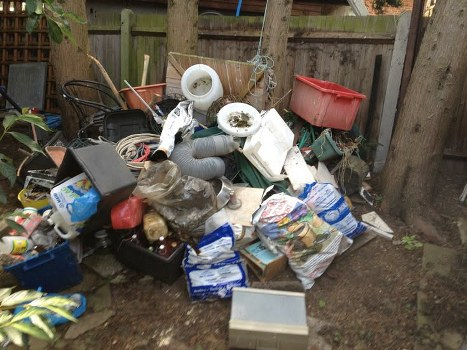 Full Flat Clearance, Partial Clearance, and Specialist Requests
Not every customer needs the same type of service. Some people want full flat clearance because the property is being emptied before sale, end of tenancy, or refurbishment. Others only want a partial service, perhaps to remove a few large items, old furniture, or clutter from one room.
Partial clearances are especially useful for London residents in smaller flats where storage space is limited and it is not practical to keep bulky items “just in case.” These jobs may include clearing a bedroom, a box room, a reception room, or built-in storage that has become overloaded over time. If you are preparing for an open day, a move, or a deep clean, selective clearance can make a noticeable difference quickly.
Specialist requests may also come up in homes and commercial premises. These can include:
- Clearance of inherited belongings in probate situations
- End-of-tenancy clearances for landlords and agents
- Pre-sale or pre-renovation clearances
- Removal of office furniture from mixed-use buildings
- Clearing of storage rooms, cupboards, and utility areas
In sensitive situations, such as when a flat contains personal items that need sorting, a careful and respectful approach matters. Customers often appreciate a team that can work methodically and allow time for items to be separated before removal.
What Makes a Local London Service Useful
Choosing a local company for flat clearance is not just about convenience. It affects how smoothly the whole job runs. London is a city where access, timing, and route planning can change the success of a clearance. A team familiar with local streets, parking rules, and property layouts is better placed to arrive prepared and complete the work efficiently.
A local service is also more adaptable. If you are in a flat near a busy station, in a conservation area with restricted parking, or in a block with strict concierge procedures, local experience helps avoid delays. The team can plan around school runs, rush-hour traffic, loading restrictions, and building management requirements. That saves you time and often makes the process less disruptive for neighbours too.
London customers often want practical help rather than a complicated process. Local teams understand that you may be juggling a move, a renovation, or a deadline from a landlord or agent. A responsive clearance service can make it easier to keep everything on track.
 Areas Covered Across London
Flat clearance needs arise all over the capital, and local service should be able to support customers across a broad range of boroughs and neighbourhoods. This includes central, north, south, east, and west London, plus surrounding areas where flats are just as common as houses.
Typical areas where customers request flat clearance include:
- Central London: Westminster, Camden, the City, Fitzrovia, Holborn
- North London: Islington, Haringey, Camden, Barnet, Enfield
- East London: Hackney, Tower Hamlets, Newham, Waltham Forest
- South London: Lambeth, Southwark, Lewisham, Wandsworth, Croydon
- West London: Kensington and Chelsea, Hammersmith, Ealing, Hounslow, Brent
Whether the flat is in a mansion block, a converted terrace, a new-build apartment, or a housing association property, a flexible service can usually be arranged to suit the building and the contents. The important part is explaining the access details early so the work can be organised properly.
Common Reasons People Book Flat Clearance in London
Customers come to flat clearance for many different reasons, and the service should feel equally useful in each case. Some jobs are urgent, while others are planned in advance. Some involve lots of furniture, while others are about removing clutter that has built up over time.
Common reasons include moving home, finishing a tenancy, handling a deceased estate, preparing a flat for sale, making room for refurbishment, or simply creating more usable space in a smaller property. In London, where storage is often limited and rooms may serve multiple purposes, a clear-out can make a big difference to daily life.
For landlords and agents, a flat clearance can help turn over a property more quickly between occupants. For families, it can reduce the burden of sorting large quantities of belongings. For homeowners, it can help make a property easier to clean, repair, or photograph for marketing. In each case, the real value is having the job completed safely, with minimum disruption, and in a way that fits the building and local area.
Pricing Factors to Understand Before You Book
Many customers want to know what affects the cost of flat clearance before they request a quote. While exact prices vary and should be discussed individually, several key factors tend to influence the overall job.
These typically include:
- Volume of items - A few bulky pieces cost less to handle than a fully furnished flat.
- Type of contents - Furniture, appliances, mixed household goods, and specialist items can require different handling.
- Access conditions - Stairs, lift availability, narrow hallways, or restricted parking can affect labour time.
- Property location - Central areas may require more planning due to traffic and loading restrictions.
- Urgency - Short-notice or time-sensitive clearances may need extra scheduling effort.
- Sorting requirements - If items need to be separated into categories, this may add time.
It is often helpful to send a clear description or photographs of the flat and contents when asking for a quote. That allows the team to judge the amount of work, the number of people likely to be needed, and whether any special arrangements should be made in advance.
How to Keep Your Quote Request Accurate
To make the process smooth, include the floor level, whether there is a lift, if parking is available, and whether the clearance is for a studio, one-bedroom, two-bedroom, or larger flat. Mention any difficult items such as large wardrobes, heavy sofas, mattresses, or built-in storage. If the property is in a controlled parking area or a busy street, that is worth noting too.
More detail at the start usually means fewer surprises later. It also helps the service provider bring the right equipment and enough labour for the job.
Preparing Your Flat for Clearance
A little preparation can make the appointment run faster and more smoothly. You do not need to do the heavy lifting yourself, but a few simple steps can help the team work efficiently and reduce delays on the day.
Useful preparation checklist:
- Separate anything you want to keep before the clearance begins
- Remove personal documents, valuables, and essential medications
- Let the team know about locked rooms, basements, loft access, or storage cupboards
- Clear a path where possible so items can be removed safely
- Inform building management or concierge staff if required
- Check whether parking permissions or loading arrangements are needed
If you are not able to prepare in advance because of time, distance, or emotional reasons, that is understandable. In many cases, the team can still carry out the clearance in an organised way as long as they know what needs to remain in the property.
Disposal, Recycling, and Reuse
Customers often ask what happens to their items after a flat clearance. A responsible service should prioritise sorting and appropriate handling. That means separating what can be reused, what can be recycled, and what needs to be disposed of safely and correctly.
Some household items may be suitable for reuse if they are in good condition. Others may be dismantled for materials or taken to the appropriate waste facility. Certain items, such as electrical goods, mattresses, and some furnishings, may require special handling. If there are hazardous or unusual items, these should be discussed in advance so the correct approach can be taken.
Good clearance is not just about removal. It is also about handling contents responsibly and leaving the property ready for what comes next.
Flat Clearance for Tenants, Landlords, and Agents
Flat clearance in London is often needed for rental properties, and different clients have different priorities. Tenants may need a quick and affordable way to empty a flat before the end of a lease. Landlords may need a dependable turnaround between occupancies. Letting agents may want a service that works efficiently with property managers and building staff.
For tenants, the key is usually time and convenience. For landlords, it is property condition and readiness for the next stage. For agents, it is reliability and clear communication. A useful local service should be able to adapt to each need without making the process more complicated than it has to be.
In many London blocks, end-of-tenancy clearances are especially useful because communal spaces must be kept tidy, waste cannot be left in shared hallways, and access may only be available during specific hours. A clearance team that understands these rules can help prevent unnecessary delays and make handovers easier.
Special Care for Probate and Sensitive Clearances
Some flat clearances are practical and straightforward, while others require a more careful approach. Probate clearances, for example, may involve sorting through a lifetime of belongings in a way that is respectful and unhurried. Families often need help deciding what to keep, what to set aside, and what should be removed from the property.
In these circumstances, communication matters. The aim is not just to empty a flat but to do so in a considerate way that respects the situation. This is especially important in London, where relatives may need to travel from different parts of the city or from outside the area to manage the process.
When the clearance is handled thoughtfully, it becomes much easier to focus on the next steps, such as cleaning, valuation, sale preparation, or property maintenance.
Why Customers Choose Flat Clearance Instead of Doing It Alone
It can be tempting to try to clear a flat yourself, especially if you are trying to save time or money. But in London, the practical challenges can quickly become overwhelming. Heavy furniture, awkward access, parking restrictions, and the number of trips required can all make DIY clearance exhausting.
Hiring a local clearance team can be a better choice because it reduces the physical strain and frees you from arranging transport, finding parking, or making repeated trips to disposal sites. It also means the job can often be done more quickly and with less disruption to you, your neighbours, or your building.
For many customers, the real benefit is peace of mind. You know the flat will be cleared in an organised way, with the work handled by people who are used to London properties and local access challenges.
Frequently Asked Questions
How long does a flat clearance usually take?
The time needed depends on the size of the property, the amount of contents, and how easy the access is. A small flat with straightforward access may be cleared relatively quickly, while a larger or more complex property may take longer. It is best to discuss the details before booking.
Can you clear flats in buildings with no lift?
Yes, many London flats are in buildings without lifts, especially older conversions and period blocks. Stairs are common in the city, so a clearance service should be prepared for that. It helps to mention the floor level in advance.
Do I need to move items to the ground floor first?
No, not usually. A proper flat clearance service should handle the removal from the flat itself, provided the access details are clear and the agreed items can be safely moved.
Can I book a partial clearance instead of clearing everything?
Yes. Partial clearances are very common. You may only want certain rooms, bulky items, or specific contents removed. This is often the right choice for smaller London flats or for customers who only need targeted help.
What if I am not on site during the clearance?
That depends on the property, the access arrangements, and what needs to be removed. Many customers prefer to be present, but if keys and instructions are arranged properly, some clearances can be managed without you being there in person.
Can you help with urgent or short-notice jobs?
In many cases, yes, subject to availability and the details of the property. If you are working to a deadline, let the team know as early as possible so they can check scheduling options.
Book Your Flat Clearance in London
If you need a dependable, practical flat clearance in London, now is the right time to make enquiries. Whether you are clearing a single room, a full apartment, or an entire property after a move or tenancy change, a local team can help make the job simpler.
Contact us today to discuss your property, explain what needs to be removed, and request a free quote based on your needs. If you have access concerns, parking restrictions, or a deadline to meet, mention them early so everything can be planned properly.
Book your service now if you are ready to get the flat emptied and move on to the next stage with less stress and less delay. A well-organised clearance can save hours of lifting, sorting, and transport, while giving you a clean start in a busy city.
Whether you are in central London or a surrounding neighbourhood, the right clearance service should feel straightforward from the first enquiry to the final item being removed. Request a free quote today and get your flat clearance arranged with a local team that understands London properties, London access, and London customers.