Commercial Waste Collection in London
If you run a business in the capital, keeping waste under control is part of everyday operations. Commercial Waste Collection in London is not just about removing rubbish; it is about keeping your premises tidy, safe, compliant, and ready for customers, staff, and deliveries. From busy offices in the City to restaurants in Soho, retail units in Camden, workshops in Southwark, and managed buildings across Canary Wharf, businesses need a service that works around the realities of London life.
Local commercial waste collection needs to be reliable because the city never stops moving. Access can be tight, parking is often limited, loading bays are shared, and many properties have strict collection windows. A good waste service understands these pressures and makes the process easier, whether you are dealing with everyday rubbish, recyclable materials, food waste, or bulky commercial items.
For many businesses, the main aim is simple: keep operations running smoothly without waste becoming a problem. That means choosing a waste contractor who can offer regular collections, flexible schedules, and clear communication. It also means having a team that understands the needs of offices, shops, hospitality venues, warehouses, schools, clinics, and property managers across London.
Why London Businesses Need a Local Waste Collection Service
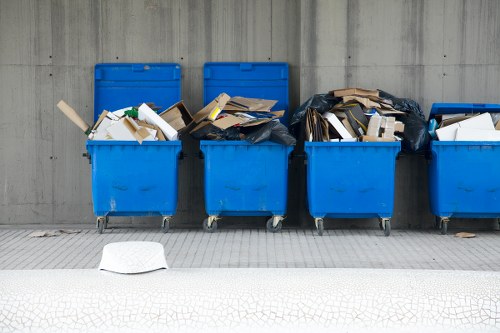
London has a huge variety of commercial premises, and each one creates different types and volumes of waste. A small design studio in Shoreditch may only need weekly collections, while a busy restaurant in Covent Garden could require daily food waste removal. Offices in Westminster may produce confidential paper waste and packaging, while builders working on refurbishments in Hackney or Fulham may need frequent skips or mixed waste collections. Local knowledge matters because the collection service has to fit the property, the street, and the schedule.
Many businesses also find that a local provider is easier to deal with when plans change. Deliveries run late, stock arrives unexpectedly, or an event creates extra waste. Having a nearby team means collections can often be adjusted more easily than with a distant or generic provider. Commercial waste collection London services are especially useful when you need a partner who understands congestion, loading restrictions, and the practical realities of operating in central and inner London.
There is also the compliance side. Businesses must manage waste responsibly, separate recyclable materials where required, and ensure waste is collected and handled properly. A dependable service helps you stay organised and reduces the risk of waste building up behind the scenes. That is important not only for appearance, but for hygiene, safety, and the day-to-day running of your premises.
What Commercial Waste Collection Can Include

Commercial waste collection in London can cover a wide range of waste streams and service types. The exact setup depends on your business, your premises, and how much waste you generate. Some companies need simple mixed waste collections, while others need separate bins for recycling, food waste, cardboard, glass, or confidential documents.
Typical services may include:
- General commercial waste removal for everyday non-hazardous rubbish.
- Recycling collections for paper, cardboard, plastic, metal, and other suitable materials.
- Food waste collection for cafes, restaurants, catering premises, and food retail businesses.
- Office waste collection for paperwork, packaging, and shared kitchen waste.
- Bulky waste removal for furniture, fixtures, and larger unwanted items.
- Trade and light construction waste for refurbishment projects and maintenance work.
- Confidential waste handling where secure disposal processes are needed.
Some businesses only need one container and a simple recurring service. Others need a more tailored arrangement with multiple bins or sacks, different collection frequencies, or specific handling for different waste types. A flexible provider can help you match the service to the way your site actually operates, rather than forcing your business into a one-size-fits-all setup.
Common Business Types We Help Across London
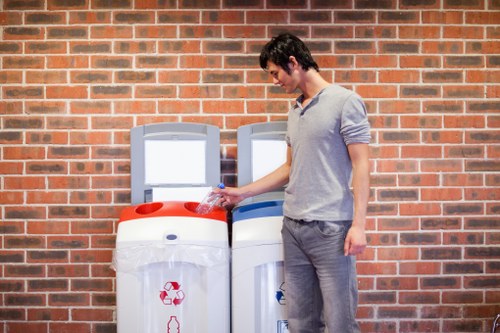
Every part of London has its own commercial mix, and waste needs can vary a great deal from one borough to the next. Offices in the Square Mile usually prioritise tidy shared spaces, recycling, and discreet collections. Restaurants and pubs in the West End need fast removal of food waste and packaging. Retail units in areas such as Stratford, Kensington, or Brixton often need collections that keep back-of-house areas clear during trading hours.
We also regularly support industrial units, warehouses, gyms, co-working spaces, medical practices, schools, estate agents, salons, and property management companies. In many cases, the main challenge is not just the volume of waste, but the layout of the building. Basement storage, narrow service corridors, shared entrances, and busy roads all affect how collections are carried out.
Commercial waste collection in London works best when it is designed around the real shape of the site. That is why businesses across central London, North London, East London, South London, and West London benefit from a local team that knows how to work efficiently in built-up areas and around local restrictions.
How the Service Works
Most businesses want a process that is straightforward from the start. First, the waste needs to be assessed so the right collection method can be chosen. Then the provider will recommend a bin, sack, or collection schedule that suits the site. Once the service begins, waste is collected on the agreed basis and handled in line with the service arrangement.
A good commercial waste collection service should feel predictable and easy to manage. You should know what happens, when it happens, and where your waste needs to be placed before collection. For many premises, that means keeping bins in a designated storage area, ensuring access is clear on collection days, and separating recycling where needed.
For London customers, the service often needs a bit more planning than elsewhere. Street access, permit rules, shared access with neighbours, and limited loading time can all affect how collections are carried out. The more experienced the local service is, the easier it becomes to keep everything organised without interrupting day-to-day business.
Typical Steps from Enquiry to Collection
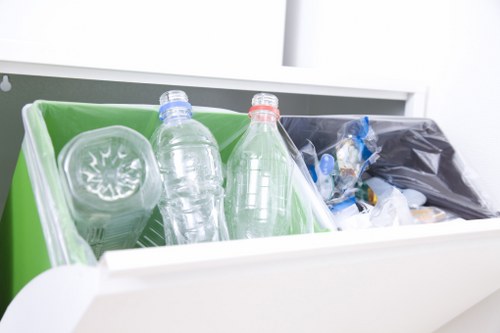
When you are looking for a new commercial waste arrangement, the process should be practical and transparent. Although every site is different, the usual steps often include:
- Initial discussion about your business type, location, and waste volumes.
- Waste assessment to understand what kind of collection is best for your premises.
- Service setup with the right container type and collection frequency.
- Clear instructions for bin storage, access, and placement on collection day.
- Ongoing collections carried out on the agreed schedule.
- Review and adjustment if your needs change because of seasonal demand, expansion, or a new fit-out.
This approach helps businesses stay in control rather than reacting when waste begins to pile up. It is especially useful for companies with variable output, such as hospitality venues, event spaces, retail units during peak trading periods, or offices that are scaling up and need more capacity.
It is worth choosing a provider that can adjust the service as your business changes. Waste volumes are rarely static in London, where tenant turnover, refurbishments, and seasonal trading patterns can all have an impact. A flexible arrangement saves time and avoids disruption.
What to Prepare Before Your First Collection
Preparing your site before the first collection makes the process smoother and helps avoid avoidable delays. This is especially important in London, where buildings may have limited access and shared facilities. The more organised the site is, the easier it is for a collection team to carry out the job efficiently and safely.
You can make things easier by checking where the waste will be stored, how the team will access the premises, and which staff member will be responsible for the waste area. If your building has security procedures, concierge access, or specific collection times, it helps to communicate these clearly in advance. For multi-tenant buildings, it is also useful to confirm who is responsible for which bins.
Before service begins, it may help to prepare the following:
- A clear storage area for bins, sacks, or containers.
- Access routes that are free of obstacles on collection day.
- Information about gates, entry codes, loading bays, or concierge procedures.
- Separation of recyclable waste where required.
- Confirmation of any restricted collection hours.
- A nominated contact person on site if needed.
London Access Challenges That Matter

One of the main reasons businesses look for commercial waste collection in London rather than a generic national solution is the city’s access challenges. Many premises are in older buildings with narrow entrances, basement storage, or no dedicated service yard. Others are in new developments with strict management rules and limited loading windows.
Parking can also be difficult, especially around central districts, busy high streets, and residential-commercial mixed-use areas. A collection provider with real local experience knows how to work around controlled parking zones, busy traffic periods, and shared access points. That does not just save time; it reduces stress for staff who already have enough to manage.
Nearby areas can create different operational needs too. A business in Chelsea may need discreet collections that avoid disturbing customers, while a warehouse in Wembley or Barking may need a faster turnaround for heavier waste. In places like Clapham, Islington, Hammersmith, or Greenwich, service routes and access limitations can vary street by street. This is why local familiarity is so valuable.
Pricing Factors and What Affects Your Quote
Commercial waste collection pricing depends on several factors, so it is best to request a tailored quote rather than assume a standard rate. The main influence is usually the amount and type of waste your business produces. A small office generating mainly paper and packaging will have very different needs from a restaurant handling food waste, glass, and general refuse every day.
Other factors may include the size and number of containers, how often collections are required, the type of waste being removed, the location of the premises, and how easy it is to access the collection point. Sites with difficult access, basement storage, or restricted collection hours may need more planning, which can affect the service arrangement.
Common pricing factors include:
- Waste volume and frequency of collection.
- Type of waste and whether it needs separate handling.
- Number and size of bins or containers.
- Site access and loading conditions.
- Distance and route logistics within London.
- Any special scheduling requirements.
When comparing options, it is useful to look beyond the headline rate. Ask what is included, how collections are scheduled, what happens if your waste volume changes, and whether the service can be adapted as your business grows. A well-matched arrangement can be more cost-effective in practice than a cheaper service that does not suit your premises.
Why Choose a Local London Waste Company
Working with a local waste team offers practical advantages that matter to everyday business users. A London-based provider is more likely to understand the layout of the city, the pace of local trading, and the access constraints that affect collections. That can mean smoother scheduling, better communication, and fewer headaches for your staff.
Local teams are also useful when your needs change quickly. If your café is busier than usual, your office is clearing out old furniture, or your retail unit has seasonal packaging build-up, you may need an adjustment sooner rather than later. A provider with local routes and an established presence can usually respond more efficiently than one operating far away.
In addition, there is a trust element. Businesses often want the reassurance of speaking to people who understand London properties, from converted warehouses in East London to managed offices in Canary Wharf, from high-street shops in South London to hospitality venues in the West End. That local understanding supports a better service overall.
Benefits of a Local Service
Here are some of the benefits businesses often value most:
- Better understanding of London access, parking, and timing issues.
- More flexible support for changing business needs.
- Suitable arrangements for varied commercial property types.
- Clearer communication about collections and site requirements.
- A service designed around real local operating conditions.
For many businesses, these practical benefits matter more than anything else. Waste collection is one of those services that should quietly support your day, not interrupt it. That is why choosing a local partner can make such a difference.
Areas Covered Across London
Commercial waste collection is needed across the whole city, from central business districts to outer boroughs and industrial estates. A local service can often cover a wide range of places, including the City of London, Westminster, Camden, Islington, Tower Hamlets, Hackney, Southwark, Lambeth, Kensington and Chelsea, Hammersmith and Fulham, Wandsworth, Greenwich, Lewisham, Brent, Ealing, Haringey, Newham, and many surrounding areas.
This also includes business hubs such as Canary Wharf, Soho, Shoreditch, King’s Cross, Victoria, London Bridge, Stratford, Paddington, Wimbledon, Brixton, Hounslow, and parts of North and East London with busy mixed commercial use. If your premises are in a location with limited access or a high footfall environment, a local provider can plan collections with those conditions in mind.
Different boroughs often mean different property types too. In some places you may be dealing with modern office blocks and managed estates, while in others the premises may be older terraced conversions, Victorian units, basement sites, or shared buildings with narrow service access. A good service should be adaptable enough to work across all of these settings.
What Businesses Often Ask Before Booking
It is normal to have a few questions before arranging a service. Business owners and property managers want to know how collections will work, what they need to do, and whether the service will fit their premises. Here are some common questions and practical answers.
How often can collections be arranged?
Collection frequency depends on your waste output and the type of business you run. Some premises need daily service, while others are fine with weekly or fortnightly collections. A tailored schedule is usually the best approach.
Can waste be separated for recycling?
Yes, in many cases. Businesses often choose to separate cardboard, mixed recycling, general waste, and food waste. Separation can help keep storage areas tidier and may support better waste handling overall.
What if my business has limited access?
That is very common in London. Narrow streets, basement storage, shared entrances, and restricted parking are all familiar issues. A local collection team should be able to work with your access conditions and make practical arrangements.
Do different premises need different setups?
Absolutely. A café, office, retail unit, clinic, and warehouse will not all need the same service. The best setup depends on what you throw away, how often, and where the waste is stored.
What Makes a Good Commercial Waste Collection Service
A good service should be consistent, clear, and easy to manage. Businesses need to know that waste will be collected as agreed and that communication will be straightforward if anything changes. This is particularly important in a city like London where missing a collection can quickly lead to cluttered service areas or problems with compliance and presentation.
You may want to look for:
- Reliable scheduled collections.
- Flexible arrangements for changing business needs.
- Support for a range of waste types.
- Practical knowledge of London access conditions.
- Clear service expectations from the start.
- Options suitable for both small and large businesses.
It also helps if the provider understands that commercial waste is part of your operation, not an isolated issue. For a busy venue, collections need to happen at the right time. For an office, they need to keep communal areas clean. For a retail business, they need to avoid disrupting customers or deliveries. A well-planned service supports all of that.
Who Uses Commercial Waste Services in London?
Many different customer types rely on regular commercial waste collection. These include independent shops, restaurant groups, landlords, office managers, facilities teams, builders, developers, healthcare premises, schools, and hospitality operators. Some need long-term arrangements for ongoing waste output, while others need temporary help during a refurbishment, relocation, or fit-out.
London’s business landscape is especially varied. You may have a small bakery on a busy high street, a large office floor in a modern tower, a multi-unit estate with shared facilities, or a trade site near an industrial road. The needs are different, but the objective is the same: keep waste under control without slowing the business down.
That is why local commercial waste collection is built around practicality. The right provider should be able to handle routine waste removal and adapt when the business changes, whether that means more recycling, more frequent collections, or a different container setup.
How to Get the Most from Your Waste Service
Once your service is in place, a few simple habits can make it work better. Keeping waste sorted properly, using the right container for the right material, and making sure access remains clear can all help avoid issues. Staff training can also make a difference, especially in businesses where different teams share the same bins.
It is also sensible to review the service from time to time. If your business has expanded, changed opening hours, added a food offer, or taken on new premises, your waste output may have changed too. A service that matched your needs last year may need adjusting now. That is especially true in London, where businesses can evolve quickly.
Simple habits that help:
- Keep waste separated where required.
- Do not overfill containers.
- Make sure bins are accessible on collection day.
- Store waste in the agreed location only.
- Review volumes when the business changes.
Ready to Arrange Commercial Waste Collection in London?
If you are looking for a practical, local solution for your business, now is the time to request a quote and discuss your site’s needs. Whether you manage an office, shop, restaurant, warehouse, or mixed-use property, the right commercial waste collection in London can make day-to-day operations much easier.
From central boroughs to outer London business districts, a well-planned waste service helps keep your premises cleaner, safer, and more professional. It also saves time for your team, which is often the biggest benefit of all. Instead of worrying about overflowing bins or awkward collections, you can focus on running the business.
Contact us today to discuss your requirements, request a free quote, or book your service now. If you need a collection setup that fits London access, busy trading hours, and the realities of your property, a local team is ready to help.
Frequently Asked Questions
Can commercial waste be collected from shared buildings?
Yes. Many London businesses operate from shared offices, mixed-use buildings, or managed estates. The key is agreeing where bins are stored, how access works, and who is responsible for the waste area.
Is the service suitable for small businesses?
Yes. Small shops, cafés, salons, and offices often need simple recurring collections. The service can be scaled to match lower or higher waste output.
What if I only need a temporary waste collection arrangement?
Temporary support is common for refurbishments, office clearances, events, and seasonal trading periods. A flexible arrangement can be set up for a short period if needed.
Can waste collection be scheduled around opening hours?
In many cases, yes. Businesses often need collections early in the morning, after closing, or during quieter periods to reduce disruption. Timing depends on the site and access arrangements.
Do I need to separate recycling?
Many businesses are expected to manage recycling appropriately, and separating waste is often beneficial anyway. The best approach depends on the type of premises and the materials you produce.
Why is a London-based service preferable?
Because London creates unique practical issues: traffic, access, parking, loading limits, and varied property layouts. A local provider understands these challenges and can plan around them more effectively.
Final Thoughts
Commercial waste may not be the most visible part of running a business, but it has a big effect on how a site feels and functions. In London, where space is tight and schedules are busy, a dependable collection service can make a real difference. The right arrangement keeps your property tidy, supports hygiene and safety, and helps your staff work without unnecessary disruption.
If you need a service that fits your premises and your working patterns, commercial waste collection in London should be set up with care, local knowledge, and flexibility. Whether your business is in a high street shop, a serviced office, a restaurant, or a larger commercial site, choosing the right waste partner is a practical step that pays off every week.
Request a free quote today and arrange a service that works for your London business.