Waste Clearance in London
When you need waste clearance in London, speed, reliability, and local know-how matter. Whether you are clearing a flat after a move, dealing with builders’ rubble after renovations, or getting rid of old office furniture, the right service can save you time, stress, and repeated trips to the tip. London homes and businesses come with their own practical challenges: tight stairwells, controlled parking zones, busy high streets, basement flats, shared entrances, concierge buildings, and limited loading space. A local team that understands these conditions can make the whole process far smoother.
This page is designed for real London customers who want a straightforward, professional waste removal solution. If you are comparing options, trying to plan a larger clearance, or simply want to know what happens to your items once they’re collected, you’ll find practical answers here. The focus is on safe removal, efficient loading, responsible disposal, and flexible support for homes, landlords, offices, shops, and builders across the capital.
From house clearance in London to commercial waste clearance, the right service should be tailored to the property, the access, and the type of waste involved. That is especially important in a city as varied as London, where one job might involve a Victorian terrace in Islington, a top-floor flat in Clapham, a mews property in Kensington, or a shop unit near Stratford. Every job has different access, timing, and disposal needs, which is why a flexible local approach is so useful.
Why local waste clearance matters in London
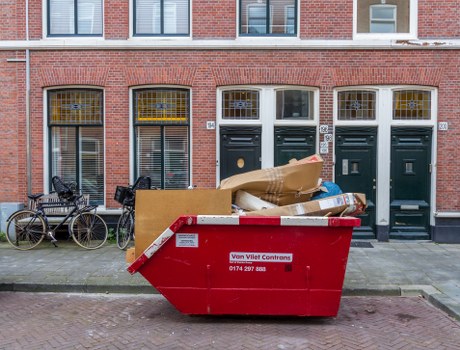
London is busy, densely populated, and constantly changing. People move home, refurbish rooms, close or reopen businesses, and replace furniture and appliances all year round. A local waste clearance company is familiar with the reality of getting items out of a property and onto a vehicle without disrupting neighbours, traffic, or building rules. That local familiarity can make a noticeable difference, especially in areas with narrow roads, loading restrictions, or residential permits.
Waste clearance in London is not simply about removing unwanted items. It is about doing so safely, efficiently, and in a way that respects the property, the building, and the surrounding area. That includes handling bulky items down staircases, protecting walls and floors where needed, and planning around access times. For customers in flats, mansion blocks, office buildings, and mixed-use properties, those details matter.
It also helps to choose a team that understands the difference between general rubbish removal, bulky waste collection, property clearance, and skip alternatives. Not every job needs a skip outside the property, and in many parts of London a skip can be awkward or impractical because of permit rules or street space. A collection-based service is often a better choice for households and businesses that want the waste gone quickly with less disruption.
What waste clearance services can include

A professional waste clearance service can cover a wide range of items and situations. The exact scope will depend on what you need removed, the size of the load, and whether the waste is domestic, commercial, garden-related, or from construction work. Most customers look for a service that can handle more than one type of item in the same visit, because that keeps the job simple and efficient.
Common items and materials that may be collected include:
- Old furniture such as sofas, beds, wardrobes, tables, and chairs
- Appliances including fridges, freezers, washing machines, and cookers
- Bagged household rubbish and mixed non-hazardous waste
- Office desks, filing cabinets, shelving, chairs, and electronics
- Builders’ waste such as wood, plasterboard, packaging, and debris
- Garden waste, fencing, branches, soil, and broken outdoor items
- General clutter from lofts, garages, basements, and storage rooms
Some customers also need help with more specific jobs, such as probate clearance, end-of-tenancy clearance, garage clearance, or removing items from a rented property before a new tenant moves in. A good team should be able to discuss the scope clearly before starting, so you know what is included and what is not.
Residential waste clearance for London homes

Homeowners, tenants, landlords, and letting agents all turn to waste clearance services for different reasons. In London, properties are often smaller and access can be more complicated than in suburban areas. That means getting rid of unwanted items can quickly become a stressful task if you try to manage it yourself. A local service can help you clear a space without spending an entire day loading a vehicle, queuing at a recycling centre, or making several journeys across town.
Typical residential jobs include flat clearances, decluttering before a sale, clearing a property after a tenant leaves, and removing old furniture when redecorating or replacing rooms. If you live in a basement flat, top-floor apartment, or terraced house with limited front access, the lifting and carrying can be the hardest part. A professional crew is prepared for those conditions and can remove items with less disruption to you and your neighbours.
For many customers, the biggest benefit is simply getting the job done in one visit. Instead of arranging separate collections for furniture, bags, and household items, you can combine everything into one clearance. This is especially helpful in London, where time, parking, and access can all be limited. If you are preparing for a move or trying to clear a room quickly, a fast and organised collection can make a real difference.
Commercial waste clearance for offices, shops, and workplaces
Businesses in London need waste removal that works around trading hours, deliveries, staff movement, and customer access. Offices in central areas, retail spaces on busy high streets, hospitality venues, and shared workspaces all produce waste that can build up quickly. Old furniture, broken equipment, packaging, renovation debris, and surplus stock can take up valuable room and affect how your business operates.
Commercial waste clearance is useful for office moves, refurbishments, reorganisations, and routine removal of bulky items that are not suitable for normal bins. In an office environment, it often involves desks, chairs, printers, monitors, shelving, cables, and archive materials. In shops and restaurants, the work may include display units, storage fixtures, packaging waste, and worn-out equipment. A flexible team can coordinate the clearance so that your day-to-day operations are disrupted as little as possible.
For landlords and managing agents, commercial clearance may also be needed after a tenancy ends or when a unit is being prepared for a new occupier. It helps to use a local company that understands the pressure of getting a space ready quickly. Speed matters, but so does care, especially in buildings with shared corridors, lifts, or restricted loading bays.
Common commercial scenarios
- Office refurbishment and strip-out waste
- Retail clearance before a refit or handover
- Storage room and stockroom decluttering
- Furniture removal from co-working spaces
- End-of-lease clearances for business tenants
How the waste clearance process usually works
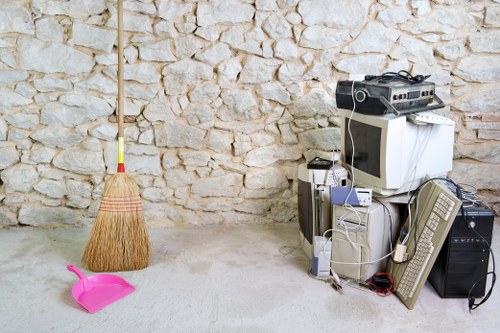
Most customers want a process that is simple, transparent, and easy to arrange. While every job is different, a good service usually follows a clear sequence from enquiry to collection. That makes it easier to plan your day and prepare the property. It also gives you confidence that the work will be carried out properly and in an organised way.
In many cases, the process looks like this:
- You describe the items or waste you need removed.
- The team asks about access, location, volume, and any special considerations.
- A quote or estimate is provided based on the details you give.
- A collection time is arranged that suits your schedule.
- The team arrives, loads the waste, and clears the area agreed in advance.
- The waste is then taken away for sorting, recycling, and disposal where appropriate.
For some jobs, particularly larger clearances, it can be helpful to send photos in advance if requested. That helps the team understand the volume and plan the right vehicle and equipment. If access is tight, it is also useful to mention things like stair-only access, permit-only parking, timed building entry, lift restrictions, or concierge requirements. The more accurate the information, the smoother the collection is likely to be.
Good communication saves time. It can help ensure the team arrives prepared and avoids delays that would otherwise be caused by parking problems, unclear access routes, or unexpected items in the load.
What affects the cost of waste clearance in London?

Customers often want to know what influences the cost of a waste clearance job. While exact pricing varies from one service to another, there are some common factors that usually affect the quote. Understanding these factors can help you plan the job more confidently and avoid surprises.
The main pricing factors may include:
- The amount of waste or number of items to be removed
- The type of waste, such as household goods, green waste, or builders’ waste
- How easy it is to access the property
- Whether the items need to be carried up or down stairs
- If parking or loading is difficult in the area
- Whether the collection needs to happen at a specific time
- Any extra handling required for large, heavy, or awkward items
In London, access can be one of the biggest factors. A clearance from a ground-floor property with easy parking is very different from a job in a narrow terrace with restricted street access or a high-rise flat with limited lift availability. That is why local knowledge is valuable. A company that regularly works across the city is more likely to understand the practical issues before they become delays.
If you want the best value, it helps to give an accurate description of what needs removing and mention anything that could affect loading time. That way, the service can plan appropriately and give you a realistic quote based on the actual work involved.
Why customers choose a local London team
Choosing a local company for waste clearance in London can make the service faster and more practical. A local team is usually more familiar with the streets, parking rules, traffic patterns, and building types found across the capital. That local experience is especially useful in areas such as Camden, Hackney, Westminster, Southwark, Hammersmith, Greenwich, Wandsworth, Tower Hamlets, and Ealing, where a single job can involve very different access conditions depending on the street and property type.
London also has a huge mix of homes and commercial premises. A local service can be more responsive to that mix because it is used to dealing with Victorian terraces, modern apartments, estates, converted warehouses, office blocks, and shop units. Some properties have tight stairwells and no lift. Others have concierge rules or loading windows. Some roads are busy all day, while others are only practical at certain times. Experience with these situations helps the clearance happen with fewer complications.
For many customers, trust is another reason to use a local team. People want their waste handled sensibly, their property treated with care, and their job completed without fuss. If you are clearing a home you lived in for years, preparing a flat for a landlord inspection, or removing stock from a small business unit, a professional and respectful approach matters. Local service should feel practical, not complicated.
Areas commonly served across London
Waste clearance needs arise all over the city, from inner London to outer boroughs. Typical areas include central neighbourhoods and local districts such as:
- North London locations like Islington, Finchley, and Camden
- South London areas including Clapham, Brixton, Lewisham, and Wimbledon
- East London districts such as Stratford, Bethnal Green, Bow, and Walthamstow
- West London places including Acton, Ealing, Hammersmith, and Chiswick
- Outer borough communities and residential estates across the wider capital
This broad coverage matters because waste issues are not limited to one type of property or one part of town. Whether you are in a city-centre flat, a suburban family home, or a commercial unit in a mixed-use area, the right clearance service should be able to work around the local conditions.
What to do before your collection
Preparing for waste clearance does not need to be difficult, but a little organisation can help the job run more smoothly. If the items are easy to identify and access when the team arrives, the collection is likely to be quicker and less disruptive. This is especially useful in London properties where hallways may be narrow and parking time may be limited.
Here is a simple preparation checklist:
- Separate the items you want removed from anything you are keeping
- Check cupboards, drawers, lofts, sheds, and storage spaces carefully
- Make sure pathways, stairs, and entrances are as clear as possible
- Note any access codes, concierge rules, or parking restrictions in advance
- Tell the team if there are fragile items nearby that need extra care
- Remove personal documents, keys, valuables, and sentimental items before the visit
If you are arranging a full property clearance, you may also want to decide what should remain in place. That can include curtains, light fittings, built-in storage, or fixed appliances. Clear instructions help avoid confusion and make sure the property is left as you expect. Being specific at the start saves time later and helps the crew work with confidence.
Waste types that may need special attention
Most general waste clearance jobs are straightforward, but certain items need a closer look before collection. This is not because they are impossible to remove, but because they may require specific handling, transport, or disposal arrangements. A good local company will explain what can be included in the service and flag anything that needs separate treatment.
Examples of items that may need special attention include:
- Fridges and freezers that contain refrigerant components
- Paints, solvents, and other potentially hazardous materials
- Electrical items and electronic equipment
- Heavy construction waste or dense rubble
- Large glass items or awkwardly shaped fixtures
- Soil, hardcore, and certain landscaping materials
If you are not sure whether something can be taken, it is always worth asking before the visit. That avoids delays on the day and helps the team plan the correct disposal route. For customers carrying out renovations, it is also useful to separate general rubbish from building materials where possible. This can make the job easier to handle and more organised overall.
Practical note for mixed loads
Many London customers have a mixture of household, garden, and renovation waste in one place. That is common after a move, refurbishment, or spring clear-out. A combined collection can often be arranged, as long as the items are described accurately and any special materials are mentioned in advance.
Benefits of using a professional clearance service
There are several reasons why customers prefer a professional clearance service rather than trying to manage everything themselves. The most obvious benefit is convenience. You do not need to hire a vehicle, do the lifting yourself, or make repeated trips. In a city like London, avoiding those extra journeys can save a lot of time and effort.
Another important benefit is safety. Large or heavy items can be awkward to carry through narrow hallways and staircases. Without the right technique, that can lead to damaged walls, scratched floors, or personal injury. A trained crew knows how to move items carefully and can reduce the risk of damage to the property. That is especially valuable in rented homes, managed buildings, and commercial spaces with shared access areas.
There is also the benefit of responsible handling. Customers increasingly want their unwanted items dealt with properly rather than simply dumped. A professional waste clearance company can sort materials where possible and take the load away for appropriate disposal routes. That gives peace of mind, especially if you are clearing a property that contains a lot of mixed items.
When time is short, space is limited, and access is awkward, using a local clearance team is often the most practical option.
FAQs about waste clearance in London
Do I need to move everything outside before the team arrives?
No. In many cases, items can be collected from inside the property, including from upstairs rooms, basements, lofts, and storage spaces. If it is easier for you to move some lighter items in advance, that can help, but it is usually not necessary for the whole load.
Can you help with one item, or does it need to be a full clearance?
Many customers book clearance for a single bulky item, such as a sofa or mattress, while others need a full property emptied. The right service should be flexible enough to handle both small and larger jobs.
What if I have limited parking or live on a busy road?
That is very common in London. It helps to mention parking restrictions, permit requirements, and access details when arranging the collection. A local team can then plan for the conditions and avoid delays where possible.
Can you clear offices and business premises outside normal hours?
Some commercial jobs may need to be scheduled around staff, customers, or building rules. If your business operates during the day, it is sensible to ask about timing options that minimise disruption.
How much notice do I need to give?
That depends on availability and the size of the job. If you have a deadline, such as a move-out date or end-of-tenancy handover, it is best to enquire as early as possible. For smaller collections, quicker bookings may sometimes be available.
What happens to the waste after collection?
Once collected, the waste is typically sorted and sent on for the appropriate disposal route, with recyclable materials separated where possible. If you want to understand how your items will be handled, you can ask before booking.
When to book waste clearance in London
There are many situations where booking a clearance service makes immediate sense. If rooms are becoming unusable, storage is overflowing, or a property needs to be ready for sale, rent, refurbishment, or business use, delaying the job only makes the problem bigger. In London, where space is often at a premium, clear areas are valuable and can quickly improve how a home or workplace feels.
Common times to book include before or after a house move, after a tenancy ends, before a renovation begins, during an office relocation, after a shop refit, or when a relative’s property needs to be cleared carefully. Some customers also book regularly to keep garages, storage rooms, or back areas under control. If clutter is affecting how you use the space, it may be time to arrange a collection.
For the best result, be clear about what you need removed, how quickly the job needs to happen, and whether there are any access concerns. Then you can request a free quote, compare your options, and choose a service that fits your schedule. Contact us today to discuss your waste clearance in London and plan a collection that works for your property and timing.
Before you enquire, think about these details
- The type of property: house, flat, office, shop, or mixed-use premises
- The main items or waste categories to be removed
- Access conditions such as stairs, lifts, or loading space
- Any timing needs, including deadlines or restricted hours
- Whether the job is a one-off clearance or part of a larger project
When those details are ready, it becomes much easier to get a realistic estimate and schedule the service efficiently. If you are ready to clear space, reduce clutter, or deal with unwanted waste properly, book your service now and get the job moving.
Final thoughts for London customers
Waste clearance in London needs to be practical, flexible, and suited to the realities of city life. Tight access, parking challenges, busy streets, and different property types can all affect how the job is carried out. That is why choosing a local, experienced team is so important. It helps ensure the work is completed safely and with less disruption, whether you need a small household collection or a larger commercial clearance.
From furniture removal and rubbish clearance to office and landlord clearances, the right service should give you confidence that the job will be handled properly. If you want a smoother way to clear space in your home or business, request a free quote and speak to a team that understands London properties and the pressures that come with them. The sooner the waste is removed, the sooner you can use the space again.