Waste Collection in London
Keeping a property clear of unwanted waste in London can be harder than it looks. Busy streets, restricted parking, mixed-use buildings, shared access, and tight turnaround times all make rubbish removal a practical challenge for homeowners, landlords, businesses, and contractors alike. Whether you are clearing a flat in Camden, emptying a shop in Croydon, managing a refurbishment in Hackney, or dealing with accumulated junk in a townhouse in Wimbledon, having a reliable local team for waste collection in London can save time, reduce stress, and help keep your space safe and usable.
London properties are varied, and so are their waste needs. A one-off load from a basement flat is very different from recurring commercial waste collection for an office, restaurant, or retail unit. Some customers need help after a move, others need bulky item removal, garden waste clearance, or same-day rubbish collection after a tenant handover. The common thread is simple: you want waste gone quickly, responsibly, and without disrupting your day more than necessary.
That is where a local service becomes especially useful. A London-based team understands access problems, traffic patterns, loading restrictions, permit requirements, and the practical realities of collecting waste from terraced homes, apartment blocks, business premises, and construction sites. If you are comparing options and want a service that feels straightforward from the first enquiry to the final sweep-up, this page explains what to expect, how it works, and what to consider before you book.
Waste Collection Services Across London
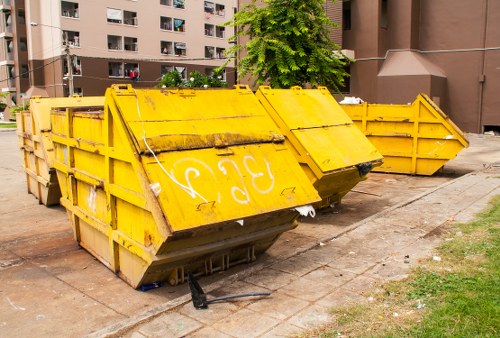
Waste collection is not a one-size-fits-all service. In London, customers often need support with different types of rubbish at different times, sometimes at short notice. A good local provider should be able to handle general household waste, bulky items, renovation debris, garden cuttings, office clearances, and trade waste collection with equal attention to detail. For many customers, the value lies in being able to clear multiple waste types in one visit rather than organising several separate removals.
Residential customers often call when cupboards, lofts, garages, sheds, or spare rooms have become full of items that are no longer needed. In flats and maisonettes, waste can build up quickly because storage is limited. In larger houses, the issue is often time: furniture, old appliances, broken household goods, and bagged rubbish may sit for weeks because there is no convenient way to get rid of them. For these situations, domestic waste collection offers a practical solution that fits around your schedule.
Commercial customers in London usually need a different approach. Shops may need packaging and display material removed, offices may require desks, electronics, and paper waste cleared, and hospitality venues often need regular waste collection to keep storage areas under control. Builders, decorators, and property managers may also need clearances after works or between tenancies. A reliable local team should understand that business waste often needs punctual arrival, careful handling, and minimal disruption to staff, customers, and neighbours.
Why Local Waste Collection Matters in London
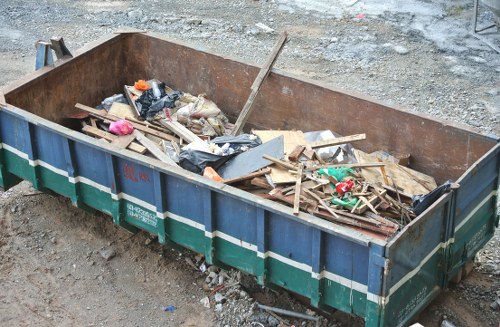
London’s streets and properties present everyday access issues that are easy to underestimate until the collection day arrives. Narrow roads, permit bays, controlled parking zones, lift restrictions, and busy foot traffic can all affect how quickly waste can be removed. A local company that works across the city is more likely to understand these practical details and plan accordingly. That can make the difference between a smooth pickup and a stressful delay.
There is also the question of timing. In many parts of London, residents and businesses work to tight schedules. You may need waste removed before a landlord inspection, before builders arrive, before a shop opening, or after an event or delivery. A nearby service can often offer more flexible booking windows and better awareness of local conditions. If you are looking for rubbish collection London customers can depend on, local knowledge is a real advantage rather than a nice extra.
Local teams are also familiar with the types of buildings common in different neighbourhoods. Victorian terraces in Islington, mansion blocks in Kensington, high-rise apartments in Stratford, warehouse conversions in Southwark, and mixed retail units in the West End all create different collection challenges. Understanding those differences helps reduce confusion on arrival and makes it easier to move waste out safely and efficiently.
What the Service Can Include

When customers enquire about waste collection services, they often want a clear idea of what is included. While exact offerings vary by provider, a local London service commonly covers a broad range of clearances and removals. This makes it useful for homeowners, landlords, facilities managers, contractors, and business owners who need one team to deal with more than just black bags.
Typical items and waste types that may be collected include:
- Household rubbish and general mixed waste
- Bulky items such as wardrobes, sofas, tables, and mattresses
- Broken furniture and unwanted office furnishings
- Appliances and white goods, where accepted
- Bagged waste from clear-outs and end-of-tenancy jobs
- Garden waste, including branches, grass cuttings, and hedge trimmings
- DIY and light renovation debris
- Packaging, cardboard, and non-hazardous commercial waste
Some services also include loading from inside the property, lofts, basements, outbuildings, or communal areas, while others focus on kerbside or ground-floor collection. A useful company should explain clearly what is and is not included before you book. That way, you know whether the team will simply remove items already prepared outside or whether they can help with heavier lifting from inside the premises. If you want to book waste collection in London with confidence, clarity on the scope of work is essential.
How Waste Collection Works

The process should feel straightforward. Most customers want to know how quickly the collection can happen, what access is needed, and how the waste will be handled once it has been removed. A practical local service keeps things simple from the first enquiry through to the final sweep-up, so you can get back to normal without unnecessary disruption.
In many cases, the process works like this:
- You describe the waste that needs collecting and, where possible, share photos or a clear item list.
- The service provider assesses the type of waste, access requirements, and likely load size.
- A collection time is arranged that suits your availability and the property’s access window.
- The team arrives, confirms the load, and carries out the collection.
- The area is tidied so the space is left presentable and usable.
This simple process is particularly useful in London, where collection timings may need to align with parking restrictions, building management rules, or business opening hours. If you are arranging waste removal in London for a flat, office, retail unit, or development site, the easiest jobs are usually the ones where the service provider has enough detail upfront to plan the visit properly.
In many cases, it helps to separate items into categories before collection day. That may not be required, but it can make the visit more efficient, especially if you have a mix of bulky furniture, general rubbish, and loose bagged waste. A customer-friendly service should be able to advise whether items need to be grouped in advance or whether the team can sort them during loading.
Preparing for Your Waste Pickup
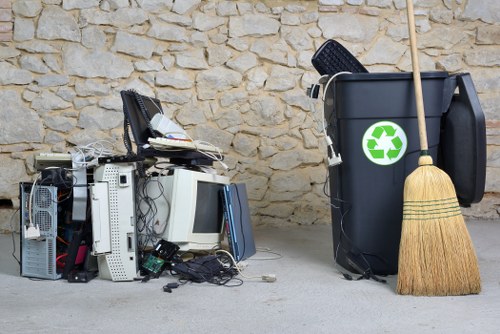
A little preparation can make collection day much easier. London properties often have limited space, shared corridors, or awkward stair access, so planning ahead helps avoid delays and confusion. If you are arranging a house clearance, office clearance, or one-off rubbish pickup, it is worth spending a few minutes checking what the team will need from you.
Helpful preparation steps include:
- Identify exactly what needs to be removed and what must stay
- Separate any items that require special handling or are not suitable for standard collection
- Make sure access routes are clear, especially in hallways, stairwells, and shared entrances
- Check whether parking or loading space needs to be reserved nearby
- Let the provider know about lifts, steps, narrow entrances, or security codes in advance
- Remove small personal items from furniture or boxes if necessary
- Keep fragile items away from the collection area
If waste is coming from a commercial site, it can be useful to notify staff, site managers, or building reception so the collection team can be directed quickly on arrival. In busy parts of London such as Shoreditch, Paddington, King’s Cross, or Canary Wharf, a few minutes of planning can prevent delays and reduce the chance of a failed visit. For customers who need a stress-free London waste collection service, preparation is part of the value.
Tip: if you are not sure how much needs to go, take a quick photo of the items and the surrounding access space before you enquire. It helps the team estimate the job more accurately and reduces the chance of misunderstandings.
Pricing Factors to Consider
Customers often want an exact figure straight away, but with waste collection there are usually several factors that influence the final cost. Reputable providers should be transparent about what affects the price, even if they cannot give a final quote until they have assessed the job properly. That transparency helps you compare services fairly and avoid surprises later.
Common pricing factors include the amount of waste, the type of waste, access difficulty, labour required, and any special disposal considerations. For example, a straightforward kerbside pickup of bagged household rubbish may be quicker and simpler than removing heavy furniture from a top-floor flat with no lift. Likewise, a commercial clearance with multiple floors, loading restrictions, and a narrow delivery bay may require more planning than a simple garage clean-out.
Other things that can affect the price include:
- How much space the waste takes up
- Whether the load includes heavy or awkward items
- How easy it is to access the waste
- Whether more than one person is needed to carry items safely
- Any waiting time caused by parking or site access
- Whether the job is same-day or scheduled in advance
If you are comparing waste collection London options, ask what is included in the quote and whether the provider needs photos or a site visit first. A clear quote process is especially valuable in London, where even a simple job can be affected by local logistics. Request a free quote if you want a better idea of the likely cost for your specific situation.
What Makes a Good London Waste Collection Team
Choosing the right company is about more than just removing rubbish. Customers want a team that is reliable, careful, and respectful of the property and the people in it. In London, where many jobs happen in shared buildings or busy streets, professionalism matters from the moment the team arrives. A good service should make your life easier, not create extra admin.
Look for a provider that communicates clearly, turns up as arranged, and is honest about what can be taken. It helps if they can explain the difference between general waste, recyclable materials, bulky items, and any items that need special disposal. The right team should also be comfortable working in a range of settings, from family homes to restaurants, offices, and construction sites.
Key qualities customers value
Dependability, practical experience, and a respectful approach are all important. Many customers also value flexibility, especially if they need a collection arranged around moving day, tenant turnover, or building works. A local London company can often respond more effectively because it understands the realities of city access and scheduling.
You may also want a team that can work neatly and leave the area tidy afterwards. This is especially useful for landlords, property managers, and business owners who need the space ready for the next stage. Whether it is a flat in Hammersmith, a café in Brixton, or a studio in Dalston, a good waste collection visit should feel organised and efficient.
Areas Covered Across London
Waste collection needs are common across the capital, and different parts of London bring their own practical considerations. Central locations often involve tight loading spaces and heavy foot traffic, while outer boroughs may involve larger driveways, side access, or garden clearances. A local service should be comfortable working in both settings.
Areas frequently associated with waste collection jobs include:
- North London: Camden, Islington, Haringey, Finchley, Enfield
- South London: Lambeth, Southwark, Croydon, Brixton, Wimbledon
- East London: Hackney, Tower Hamlets, Stratford, Walthamstow, Leyton
- West London: Kensington, Chelsea, Hammersmith, Ealing, Acton
- Central London: Westminster, the City, Fitzrovia, Holborn, Soho
This list is not exhaustive, and many local teams work across wider London boroughs and neighbouring areas. The benefit of a citywide service is that it can support a broad range of customers without losing sight of local access needs. If you need waste collection for a property in a busy area with limited parking or loading time, it helps to choose a provider familiar with that part of the city.
Different locations can mean different waste patterns too. A high street unit may generate packaging and display waste, while a family home in a suburban part of London might need garden rubbish and old furniture removed. The most useful local providers are those who can adapt to both. If your area is not listed here, it is still worth requesting a quote and checking availability.
Residential Waste Collection for Homes and Flats
Homeowners and tenants often need waste cleared at the point when things become too bulky, too much, or too awkward to handle alone. In London, this can happen quickly because homes are smaller on average than many properties elsewhere, and storage space is limited. A domestic collection can help with spring clearing, post-move leftovers, loft clear-outs, or replacing large household items.
Common residential requests include unwanted sofas, broken beds, old wardrobes, spare mattresses, bagged rubbish, and miscellaneous items that have accumulated over time. In flats, especially in converted buildings or estates, there may also be shared hallways, staircases, or lifts to navigate. A careful team should work with respect for neighbours and communal areas, keeping the collection as tidy and efficient as possible.
When residents often book
Customers usually arrange waste collection when they are moving house, preparing for decorating, clearing out a rental property, or dealing with an overflowing storage area. It is also common after family changes, refurbishment work, or when bulky waste cannot wait for the next council pickup. In these situations, a flexible local service can be much more convenient than trying to manage transport yourself.
If you are a resident searching for a simple way to clear rubbish without hiring a van or arranging multiple trips, a local collection team can be the practical option. Contact us today if you would like to discuss a one-off household clearance or regular domestic collection support.
Commercial Waste Collection for Businesses
Commercial waste collection in London needs to balance efficiency with business continuity. Shops, offices, cafés, restaurants, studios, and managed buildings all produce waste in different ways, and many of them cannot afford disruption during opening hours. A reliable service can help keep stockrooms, back offices, and customer-facing spaces clear and operational.
Businesses may need help with cardboard and packaging, broken fixtures, old furniture, archiving waste, light refurbishment debris, and end-of-lease clearances. In hospitality and retail, waste can accumulate quickly and create pressure on staff if it is not removed regularly. For offices, outdated furniture and equipment may need to be cleared between teams, fit-outs, or relocations.
There is also a strong practical benefit to choosing a local team that understands commercial site rules. Some buildings have reception procedures, time restrictions, loading dock schedules, or specific waste routes that must be followed. A provider with London experience can often fit into those routines more smoothly. If your business needs regular or one-off waste collection, it is worth asking about flexible appointment times and site-specific planning.
Book your service now if you need a collection that works around your operating hours, building access rules, or property management requirements.
What Happens to the Waste After Collection?
Customers often want reassurance that the waste is handled properly once it leaves the property. While every provider should work within the relevant rules and disposal standards, it is reasonable to ask how collected waste is sorted and processed. Responsible waste handling matters in a city as large as London, where volumes are high and environmental expectations are important to residents and businesses alike.
In many cases, collected waste will be sorted so that recyclable materials can be separated where possible and suitable items can be directed away from general disposal routes. Not everything can be recycled, and the exact handling depends on the type of waste, its condition, and the facilities available. A trustworthy company should be able to explain their general approach without making promises they cannot control.
For customers, the key point is to choose a service that treats waste responsibly and does not cut corners. That matters whether you are clearing a family home in Dulwich, a shop in Notting Hill, or a workspace in Shoreditch. A well-managed collection gives you peace of mind as well as a cleaner property.
Frequently Asked Questions
Below are some of the questions London customers often ask before booking waste collection. These answers are designed to help you plan with fewer surprises.
How quickly can waste be collected?
Availability varies, but many customers look for same-day or next-day service when time is tight. The sooner you enquire, the easier it is to secure a convenient collection window, especially in busy areas or during peak moving periods.
Do I need to move the waste outside first?
Not always. Some services can collect from inside the property, while others may ask that waste is ready at ground-floor access or in a designated outdoor area. It is best to confirm this before booking so you know what preparation is required.
Can you collect mixed waste from a home or business?
Often, yes. Mixed loads are common, especially after clear-outs, refurbishments, and move-outs. However, certain items may need to be separated or may not be accepted, so it is wise to list everything in advance.
What if my building has difficult access?
That is common in London. Narrow staircases, limited parking, lifts, and gated entrances can all be managed with the right planning. Let the provider know about the access details when you enquire so they can prepare properly.
Do you handle office and commercial clearances?
Yes, many waste collection teams in London support offices, retail units, hospitality venues, and other commercial spaces. It helps to explain the size of the job and whether the collection needs to happen outside opening hours or around staff schedules.
Can I request a quote before booking?
Absolutely. Request a free quote if you want to compare options or understand the likely cost for your specific waste collection job. Photos and a short description usually help speed up the process.
Choosing the Right Service for Your Property
Every London property has its own access, timing, and waste disposal challenges, so choosing the right service means thinking about your actual situation rather than just the name of the job. A flat in a converted house, a family home with side access, a commercial unit on a busy road, and a managed office building all need slightly different handling. The best provider should be able to adapt without making the process complicated for you.
Before you book, consider what matters most: speed, collection size, lifting support, access requirements, or repeat collection. If you have a one-off household load, the main priority may be convenience. If you run a business, punctuality and minimal disruption may matter more. If you are managing a property portfolio, consistency and clear communication may be the most important factors. In every case, a local London team can offer practical help that fits the pace of city life.
Waste collection in London should feel like a service designed around real customer needs: easy to arrange, clear about what is included, and suitable for the kinds of buildings and streets people actually use every day. If that sounds like what you need, the next step is simple: contact us today or request a free quote to discuss your collection.
Ready to get started?
Whether you need a single bulky item removed or a full property cleared, booking early helps secure the time slot that works best for you. Use the details on this page to think through access, volume, and timing, then book your service now when you are ready to move forward.