Waste Recycling in London
When people look for waste recycling in London, they usually want more than a simple collection. They want a local service that understands tight streets, busy schedules, mixed property types, and the practical reality of sorting waste properly in a city like this. Whether you manage a flat in Camden, run a shop in Shoreditch, oversee an office near Westminster, or need help clearing out a family house in Wimbledon, recycling waste the right way can save time, reduce stress, and keep your property tidy and compliant with local expectations.
London creates a unique challenge. Space is limited, many buildings have restricted access, parking is difficult, and waste often includes a mix of recyclable materials, general rubbish, bulky items, and packaging from renovations, deliveries, or day-to-day business activity. A local recycling-focused waste service is useful because it can deal with all those realities efficiently, while helping you separate materials responsibly and avoid unnecessary landfill where possible.
For homeowners, landlords, letting agents, and businesses, the goal is usually the same: clear the waste quickly, recycle as much as possible, and make the process straightforward from the first enquiry to the final collection. That is why this type of service is often chosen for end-of-tenancy clearances, office moves, refurbishment waste, garden waste, shop fit-outs, and household decluttering across Greater London.
Why Waste Recycling Matters in London
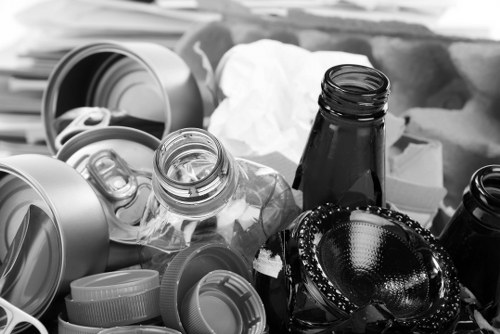
London generates a huge variety of waste streams every day, from cardboard and packaging to wood, metal, garden cuttings, appliances, and mixed commercial refuse. Recycling matters because not everything should go straight into general disposal. Many materials can be separated, recovered, and processed in a more sustainable way. For customers, that means a service that is organised, careful, and focused on how waste leaves the property, not just how quickly it is removed.
In many parts of London, residents are already familiar with the pressure of limited bin storage, shared collection points, and strict building rules. Flats in areas such as Hackney, Islington, Greenwich, and Battersea often have communal bins that fill quickly. Family homes in outer boroughs may generate large volumes of garden waste, furniture, and old household items during a clear-out. Local businesses in places like the City, Canary Wharf, Southwark, and Hammersmith may need a dependable service for regular recycling of cardboard, fixtures, office furniture, or post-refurbishment debris.
A London waste recycling service is especially valuable because it can handle the practical side of the job while helping customers feel confident that reusable or recyclable items are sorted with care. That matters whether you are clearing a single room or dealing with repeated commercial waste from a busy operation.
Who Uses Waste Recycling Services in London?
Customers across the capital use recycling services for very different reasons, and a good local team understands the variety. A landlord may need help between tenants. A family may be preparing a property for sale. An office manager may want old desks, filing cabinets, and packaging removed without disrupting staff. A restaurant may need regular handling of cardboard and mixed refuse after deliveries. A builder may need trade waste cleared from a refurbishment site in a narrow residential road.
Common customers include:
- Homeowners dealing with loft clear-outs, garage waste, or large household items.
- Tenants who need to leave a property tidy at the end of a lease.
- Landlords and letting agents preparing a flat or house for the next occupier.
- Offices removing unwanted furniture, paper, packaging, and equipment.
- Retail units and hospitality venues handling stock packaging, fixtures, and fit-out debris.
- Tradespeople and contractors who need building or renovation waste collected efficiently.
In a city as large as London, one of the biggest advantages of choosing a local recycling waste provider is flexibility. Different boroughs, property layouts, and access conditions can change how a job needs to be completed. A small first-floor flat off a busy high street needs a different approach from a warehouse unit near a main road or a terraced house with no driveway. The right team adjusts to the situation rather than asking the customer to make the job fit one rigid process.
What Is Included in a Waste Recycling Service?

Customers often want to know exactly what is included before they book. In most cases, a waste recycling service is designed to take the hassle out of sorting, lifting, loading, and responsible disposal. The service can cover a wide range of recyclable and non-recyclable items, depending on the job and the type of waste involved.
Typical items handled may include:
- Cardboard, boxes, and packaging materials
- General household rubbish and mixed refuse
- Furniture such as sofas, tables, wardrobes, and shelving
- Office furniture, paper waste, and unwanted equipment
- Wood, scrap metal, and renovation debris
- Appliances and electrical items where appropriate
- Garden waste, branches, hedge cuttings, and soil in suitable quantities
- Shop waste, display units, stock packaging, and fit-out materials
Depending on the service, customers may also get help with loading items from inside the property, from basements, upper floors, rear gardens, or storage spaces. That is especially helpful in London properties where stairwells are narrow, lifts are small, and access can be awkward. Good waste recycling is not just about collection; it is about making the whole process easy from start to finish.
Many customers also appreciate that a local team can separate certain materials for recycling rather than treating everything as one mixed load. This can be useful for people who want a cleaner, more responsible solution for household, commercial, or trade waste.
How the Service Works
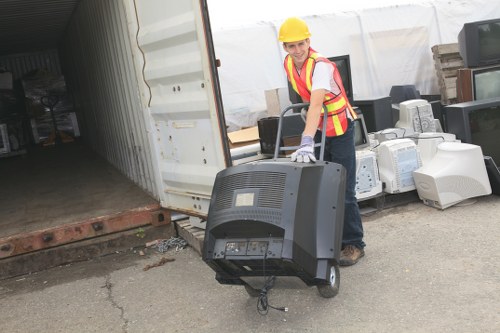
Most customers want the process to be simple, clear, and quick. That is exactly what a local waste recycling service should provide. While the details vary depending on the property and volume, the usual steps are straightforward.
- Initial enquiry – You explain what needs removing, where the property is, and the type of waste involved.
- Assessment – The team may ask questions about access, parking, staircases, loading areas, or the presence of bulky items.
- Quote or estimate – Based on the information provided, you receive a price structure that reflects the amount and type of waste.
- Collection date – A time is arranged that works around your schedule, which is especially important for homes, offices, and customer-facing businesses.
- On-site clearance – The team arrives, removes the waste, and loads everything safely and efficiently.
- Sorting and recycling – Recyclable materials are separated where possible so the waste can be handled responsibly.
For many London customers, the most useful part of the process is the on-site flexibility. Traffic delays, controlled parking zones, congestion, and limited loading areas can make city collections more complicated than customers expect. A local provider that works across London will already understand these issues and plan accordingly.
H4: What helps the collection go smoothly?
Preparation is not always essential, but a little planning can make the job quicker and more cost-effective. Moving recyclable items into one area, confirming access in advance, and letting the team know about stairs, basements, or parking constraints can all help the collection run smoothly.
Why London Properties Need a Local Approach
London is not one single type of location. It is a mix of flats, terraces, mansion blocks, new-build apartments, converted houses, retail units, offices, and industrial sites. That variety changes how waste recycling needs to be done. A local service can adapt to the specifics of each borough and neighbourhood, whether the job is in Croydon, Ealing, Enfield, Lewisham, Kensington, Walthamstow, or Richmond.
Access is one of the biggest reasons a local team is valuable. Some properties have no lifts. Some are on narrow roads with limited stopping space. Some commercial units are in busy parade areas where loading needs to be timed carefully. Others have underground storage or rear alley access that requires a team to be properly prepared. In London, a service that understands these realities can save you a lot of time and frustration.
There is also the issue of mixed waste. Renovation projects, moving house, and office clear-outs often create a blend of recyclable and non-recyclable items. Separating those materials correctly can reduce unnecessary disposal and improve the efficiency of the job. A knowledgeable provider can help you deal with the mixture rather than leaving you to sort it alone.
H4: Common London scenarios where recycling support helps
- Post-renovation clearances in flats and townhouses
- End-of-tenancy waste removal for landlords and agents
- Office moves in central business districts
- Retail refits on busy high streets
- Garden waste collection from suburban homes with limited access
- Student accommodation clear-outs near university areas
Areas Covered Across London
Waste recycling services in London are typically requested across inner and outer boroughs alike. Customers often need support in central locations where parking and loading can be difficult, but they also need help in residential districts where bulky waste builds up over time.
Areas commonly served may include:
- Central London districts such as Westminster, Camden, Islington, Southwark, and the City
- North London areas including Haringey, Barnet, Enfield, and Hackney
- South London locations such as Lambeth, Lewisham, Croydon, and Wandsworth
- East London neighbourhoods including Tower Hamlets, Newham, Redbridge, and Newham
- West London boroughs such as Hammersmith and Fulham, Ealing, Hounslow, and Kensington and Chelsea
- Outer areas and suburban communities where larger home clear-outs and garden waste are common
Because London is so spread out, customers benefit from a team that already knows the geography, travel patterns, and property types. A local company can plan collections more realistically, especially if the job requires a timed arrival, multiple items, or careful loading from a shared access point. That is particularly helpful for commercial customers who need minimal disruption to staff, customers, or neighbours.
Residential Waste Recycling: Practical Help for Homes and Flats
Residential customers often contact a local recycling service when waste has built up faster than expected. This can happen after a move, a family clear-out, home improvement work, or simply because bulky items have been stored for too long. In London flats and houses, storage space is often limited, so even a modest amount of waste can become inconvenient very quickly.
For houses, the usual jobs include loft clearances, garage emptying, shed contents, old furniture, and garden cuttings. For flats, the challenge is often access: stairs, communal hallways, limited lift space, and residents’ rules about leaving items in shared areas. A professional waste recycling team can remove items from inside the property and handle the heavy lifting, which is a major advantage for customers who cannot transport everything themselves.
It is also useful for families preparing a property for sale or rent. Clearing out unused items makes rooms look larger, easier to clean, and more presentable. When recycling is part of the process, the customer gets a tidier property and a more responsible way to deal with the waste created by the clear-out.
H5: Useful residential items to separate before collection
- Paper, cardboard, and packaging
- Reusable items that may be kept aside
- Garden cuttings and green waste
- Old furniture and broken household goods
- Scrap metal, wood, and renovation leftovers
Commercial Waste Recycling for London Businesses
Businesses in London often need a waste recycling service that is dependable, discreet, and efficient. Office moves, retail refurbishments, restaurant clear-outs, and ongoing packaging waste all create pressure on space and operations. When bins fill up or storage becomes cluttered, it can affect workflow, appearance, and safety.
Commercial customers often need help with:
- Office furniture and outdated equipment
- Paper, cardboard, and general office waste
- Retail shelving, fixtures, and packaging
- Hospitality waste from deliveries and refurbishments
- Trade waste generated during fit-outs or minor works
- Warehouse or stockroom clearances
A local recycling-focused provider can often work around opening hours, delivery schedules, and staff availability. This is valuable for businesses that cannot afford a long disruption. For example, a shop in a busy parade may need the collection done early in the day, while an office near a transport hub may need a quick, coordinated removal to avoid interfering with employees and visitors.
Commercial waste recycling in London works best when the service is flexible, organised, and familiar with different business environments.
What Affects Pricing?
Customers often want to understand what influences the cost of waste recycling before they request a quote. While exact pricing depends on the service provider and the specific load, there are several common factors that usually play a role.
Pricing factors may include:
- Volume – How much waste needs to be removed and how much space it takes up.
- Weight – Heavy materials such as soil, rubble, or dense mixed waste can affect the job.
- Type of waste – Recycling-friendly materials, bulky furniture, and specialist items may be treated differently.
- Access – Stairs, basements, shared entrances, or restricted parking can affect labour and time.
- Location – Travel time and central London access can influence the overall arrangement.
- Urgency – Same-day or short-notice collections may require additional planning.
It is worth being clear about the contents of the load from the start. A precise description helps the team assess the job fairly and recommend the right collection. If you have a mixture of items, mention the main categories: household rubbish, cardboard, furniture, garden waste, or trade debris. The more accurate the information, the smoother the process.
For customers comparing options, it is often helpful to ask what is included in the service, how the waste is handled after collection, and whether loading from the property is covered. That way, you can choose a service that matches your expectations rather than simply your schedule.
How to Prepare for a Waste Recycling Collection
Preparation does not need to be complicated. A few small steps can save time on the day and help the team work more efficiently. This is especially useful in London where parking, entry codes, and building rules can add extra complexity.
Before collection, it helps to:
- Identify the waste you want removed and separate it if practical.
- Keep recyclable items together if possible, such as cardboard or metal.
- Let the provider know about narrow stairs, lifts, or basement access.
- Check whether parking or loading restrictions apply near the property.
- Make sure the items are accessible and not blocked by furniture or stored goods.
- Remove personal belongings from items you want taken away.
- Tell the team about any particularly heavy, awkward, or fragile items.
For commercial customers, it can also help to choose a collection time that avoids customer peak periods or busy delivery windows. If the waste is stored in a back room, shared yard, or loading bay, make sure the space is accessible on the day. The aim is to make the collection efficient while limiting disruption.
Why Choose a Local London Company?
A local company is often the best fit for waste recycling in London because local knowledge matters. Knowing where access is tight, where parking is restricted, and how different neighbourhoods function can make a noticeable difference to the service you receive. A team that works across the capital regularly will be more prepared for the realities of city collections.
Another advantage is responsiveness. If you need a collection arranged at short notice, a local provider is often in a better position to plan around your area and complete the job promptly. This is particularly useful for property managers, landlords, tradespeople, and businesses working to deadlines.
Local service also tends to feel more practical for customers who want direct communication and a straightforward arrangement. You are not dealing with a distant operation that does not understand London’s traffic patterns or building access issues. Instead, you are working with a team that is already familiar with the kinds of waste and property layouts common in the city.
H4: What customers usually value most
- Fast response and clear arrangements
- Knowledge of London roads and access challenges
- Ability to handle mixed residential and commercial loads
- Careful lifting and loading in tight spaces
- Responsible recycling of suitable materials
Frequently Asked Questions
Do you take mixed waste?
Yes, many collections involve mixed waste. It is common for homes and businesses to have a combination of recyclable and non-recyclable items. The important thing is to describe the load accurately so the team can advise on the right approach.
Can you collect from flats and upper floors?
In many cases, yes. London properties often involve stairs, lifts, and limited access, so it is helpful to mention these details when you enquire. That allows the team to plan the collection properly.
What if I only have a small amount of waste?
Small collections are often possible, especially if you have a compact load of recyclables, household items, or packaging. If you are unsure whether your waste is enough for a collection, ask when you request a quote.
Is waste sorted for recycling after collection?
Where possible, recyclable materials are separated and handled appropriately. The exact process depends on the type of waste collected and how it has been prepared, but the aim is always to recycle as much as practical.
Can businesses use the service regularly?
Yes. Many London businesses need recurring waste recycling support, especially for cardboard, office waste, packaging, and post-project clearances. Regular arrangements can often be planned around the needs of the site or business.
Do I need to move everything outside first?
No, not usually. A major benefit of a waste recycling service is that items can often be removed from inside the property, which is especially helpful for flats, houses, offices, and commercial units with awkward access.
Book Waste Recycling in London With Confidence
If you are dealing with unwanted waste, clutter, or recyclable materials that need clearing, a local service can make the process much easier. From family homes and apartments to office floors, shop units, and renovation sites, the right team can remove the waste, sort suitable materials for recycling, and save you time and effort in the process.
London customers often need a service that is adaptable, practical, and ready to work around access issues. That is exactly why a local approach matters. It helps you clear space more quickly, reduce hassle, and deal with waste in a way that feels organised and responsible.
Contact us today to discuss your collection, request a free quote, or arrange a convenient booking time. If you need waste recycling in London for a home, business, or trade project, a simple enquiry is often the quickest way to get things moving.
Book your service now and take the first step toward a cleaner, clearer property.