Trash Collection in London
Keeping on top of household and commercial waste in a city as busy and varied as London can be a challenge. From compact flats above shops to period terraces, office buildings, managed estates, and busy high-street premises, the way rubbish is stored, moved, and collected needs to fit the property, the schedule, and the local access. That is why Trash Collection in London is more than a simple pick-up service: it is a practical solution for people who want waste removed safely, efficiently, and with minimal disruption.
Whether you are clearing out after a renovation, handling regular refuse from a business, or need a one-off collection after a move, a local team can make a real difference. London properties often come with narrow streets, limited parking, controlled loading bays, stepped entrances, shared hallways, and time-sensitive access rules. A service that understands these realities can save time and reduce stress. If you need rubbish taken away quickly and responsibly, this page explains what is included, how the service works, what affects pricing, and why local knowledge matters.
For residents, landlords, offices, shops, hospitality venues, and managing agents, the aim is simple: get waste cleared without the hassle. From bulky items to general rubbish, garden waste, and mixed non-hazardous materials, a tailored collection can help keep your property tidy and compliant. If you are comparing options and want a service that fits London life, request a free quote or book your service now.
Why Trash Collection Matters Across London

London is a city of constant movement. Homes are renovated, businesses restock, offices reorganise, and households change pace throughout the year. That means waste builds up in all kinds of ways: old furniture during a flat clear-out, cardboard after deliveries, broken appliances, builder’s debris after a project, or bagged rubbish that simply exceeds what normal household collection can handle. When waste starts to pile up, it can affect safety, appearance, and day-to-day use of the space.
A dependable collection service helps remove the pressure. Instead of trying to organise vehicle access, lift heavy items yourself, or wait for the next council collection window, you can arrange a pickup that works around your schedule. This is especially useful in central areas, busy commercial districts, and densely populated neighbourhoods where bins fill quickly and storage space is limited. For many local customers, a professional collection is the easiest way to restore order.
Another major benefit is flexibility. Not every property needs the same level of service. A small flat in Camden may only need a one-off rubbish removal after a clear-out, while a restaurant in Soho may need frequent collections of mixed waste. A shop in Stratford, a shared house in Clapham, and an office in Canary Wharf all have different waste patterns. The right local provider adapts to the property and the volume, rather than forcing a one-size-fits-all arrangement.
What a Local Trash Collection Service Can Handle
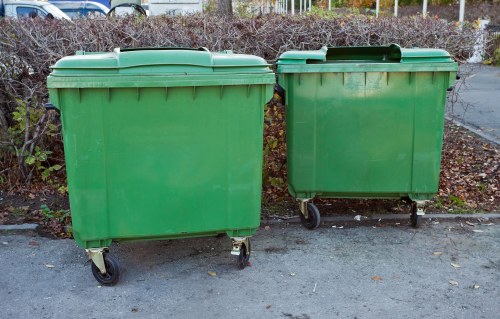
Customers often want to know exactly what can be collected. In practice, a local waste team can usually handle a wide range of non-hazardous items from homes and workplaces. This may include general household rubbish, old furniture, bagged waste, appliances, broken fittings, office clutter, cardboard, packaging, garden cuttings, and renovation offcuts. The exact service depends on the load, property type, and any access limitations.
For residential customers, common collections involve sofa removal, mattress disposal, wardrobe clearance, broken chairs, white goods, shed contents, loft clearances, and bulky items left after a move. For business customers, collections often include paper waste, packaging, shelving, display items, stockroom clutter, old office furniture, and end-of-tenancy waste from commercial units. Managing agents and landlords may also need regular or one-off removal for communal areas, void properties, or post-tenant clearances.
It is also useful for customers to understand what is not suitable for standard collection. Hazardous items, specialist chemicals, and certain regulated materials may require separate handling. A responsible local provider will explain any restrictions clearly so you can plan properly. That clarity is valuable because it helps prevent delays, avoids wasted time on collection day, and ensures materials are dealt with in a proper way.
Typical collection types include:
- Household rubbish and bagged waste
- Bulky item removal
- Furniture and appliance collection
- Office and commercial waste
- Garden waste and green cuttings
- Renovation and DIY debris
- Flat, loft, garage, and shed clearances
- End-of-tenancy and pre-move rubbish removal
How the Service Works
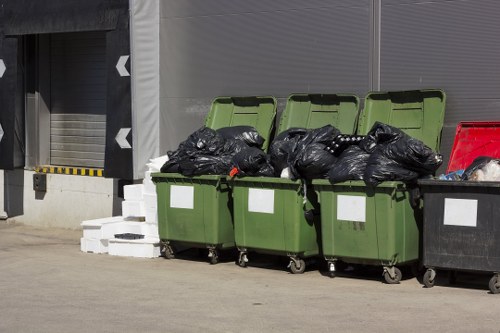
Most customers want a simple process that does not take much time to arrange. A typical trash collection service in London is designed around convenience. You usually start by explaining what needs to go, how much there is, and where the property is located. It helps to mention the type of building, access details, parking restrictions, and any timing requirements. This allows the team to plan the right vehicle, enough labour, and any equipment needed for safe removal.
On the day of collection, the team will usually arrive within an agreed window, assess the load, and confirm the collection before proceeding. In many cases, they can remove waste from inside the property, from a driveway, or from a designated loading point. For buildings with narrow stairwells, lifts, shared entrances, or controlled access, planning ahead matters. London’s housing stock is diverse, and a service that understands the difference between a top-floor flat, a mews property, a commercial unit, and a warehouse unit can save considerable effort.
Once the rubbish is loaded, it is taken away for sorting and disposal in line with relevant waste handling rules. Customers value this because it means one less task to worry about. You do not need to organise a vehicle, sort where everything should go, or spend your own time making multiple trips. The collection service becomes a practical extension of your day, helping the job get done efficiently.
What to expect on collection day
- Confirm the items and collection details in advance.
- Make sure pathways, entrances, or the waste location are reasonably accessible.
- Point out any items that need special handling or are not included.
- Allow for a short assessment before removal begins.
- Keep pets, residents, or staff clear of the loading route if needed.
Residential Trash Collection for London Homes

Many local customers use trash collection when their home becomes cluttered or when a life event creates an unusual amount of waste. Moving house, downsizing, renovating, refreshing a rented flat, or clearing out inherited items can all generate more rubbish than usual. In London, where storage is often limited, a home can feel crowded very quickly. A reliable collection service helps restore usable space without making the process more stressful.
Different property types present different challenges. A Victorian terrace in Walthamstow may have rear access but limited frontage. A basement flat in Battersea may involve stairs and tight internal turns. A high-rise apartment in Greenwich or Hackney may require lift booking and building rules. A converted flat in Islington may have shared hallways and neighbours to consider. These are the kinds of local realities that a London-based team understands and can work around.
Residential customers also often want discreet and tidy service. Nobody wants rubbish left outside for long or waste carried through common areas without care. A good local collection team will aim to remove items efficiently and leave the area clear. If you are planning a spring clean, clearing the garage, or getting ready for new furniture, arranging trash collection in London at the right moment can make the whole project much smoother.
Common home collection reasons
- End-of-tenancy clear-outs
- House moves and downsizing
- Loft, cellar, and garage clearances
- Post-renovation rubbish
- Old furniture and appliance removal
- Garden waste after seasonal maintenance
Commercial and Trade Waste Support

Businesses across London need waste cleared in a way that suits working hours, site access, and customer traffic. Shops, offices, cafés, salons, workshops, restaurants, studios, and small industrial units all produce different kinds of waste. A commercial collection service is useful when regular bins are not enough, when a one-off clearance is needed after a refit, or when a site has accumulated bulky items that cannot be left in public areas.
Time is often the biggest issue for commercial customers. A manager in Westminster may need removal before opening hours. An office near Liverpool Street may have a limited loading bay window. A retail premises in Southbank may require work around delivery schedules. A flexible collection provider can plan around those realities, reducing disruption to staff and customers. That practical approach is one of the main reasons local businesses prefer a nearby team.
Commercial customers also appreciate clear communication and predictable handling. If you are responsible for a site, you need waste removed in a way that avoids complaints, keeps walkways clear, and helps maintain a professional environment. Whether it is a single bulky item or repeated collections as part of your operations, the service should be straightforward and dependable.
Examples of commercial customers who use this service
- Offices and coworking spaces
- Retail units and high-street shops
- Restaurants, cafés, and takeaways
- Hospitality venues and event spaces
- Property managers and letting agents
- Builders, decorators, and tradespeople
- Schools, studios, and small warehouses
Why Choose a Local Company for Trash Collection in London?
Local knowledge matters in a city as large and varied as London. Streets in the West End are not the same as residential roads in outer boroughs. Parking enforcement differs from place to place, access to some developments can be complex, and some properties are tucked away behind mews, gates, courtyards, or service entrances. A local company is more likely to understand how to approach a job efficiently and avoid common delays.
This also matters for customer service. A local team can respond more quickly to changing circumstances, whether that means an access issue, a building restriction, or a last-minute change in load size. If you are trying to clear space before a delivery, after a tenant move-out, or before contractors arrive, being able to book with a provider that knows the area is a real advantage. It is not just about collecting rubbish; it is about helping the day run smoothly.
There is also practical value in working with a company that understands London’s mixed property landscape. From family homes in Ealing to apartment blocks in Tower Hamlets, from office suites in Holborn to shopfronts in Richmond, the collection needs can vary widely. A local service is better placed to adapt to building rules, access constraints, and timing needs. That makes the whole experience more efficient for customers.
Key reasons local customers choose a nearby team
- Better understanding of London roads, parking, and access
- More suitable for flats, terraces, mews, and commercial premises
- Greater flexibility for scheduled collection windows
- Less disruption for neighbours, staff, and building users
- Practical support for urgent and planned clearances
Areas Covered Across the Capital
Trash collection needs appear in every part of London, but the practical details can vary by neighbourhood. Central areas often involve controlled parking, congestion, and limited space. Inner and outer boroughs may present different access issues, from residential permit zones to larger sites with shared access roads. The benefit of a London-wide service is that it can support customers wherever they are based, while still taking local conditions into account.
Common service areas include central districts, north and south London, east and west neighbourhoods, and surrounding boroughs. That means support for homes and businesses in places such as Camden, Islington, Hackney, Tower Hamlets, Southwark, Lambeth, Westminster, Kensington and Chelsea, Brent, Ealing, Hammersmith and Fulham, Wandsworth, Lewisham, Greenwich, Richmond, Croydon, Haringey, Barnet, Hounslow, Merton, and nearby locations. The exact area covered will depend on the provider, but customers benefit when the team is used to working across the capital.
It is worth remembering that different parts of London may also involve different waste storage arrangements. Some developments have bin stores with restricted hours, some streets have tight kerbside access, and some commercial properties are set back from the road. The more clearly these details are explained during booking, the smoother the collection is likely to be. If you are unsure whether your area or property type is suitable, it is usually best to ask for a quote and explain the location fully.
What Affects Pricing for Trash Collection?
Customers often want a fair idea of what influences the cost of rubbish removal, even if exact figures are not listed. In most cases, the main factors are the amount of waste, the type of items, the difficulty of access, and the labour required. A small pile of bagged rubbish at ground level is naturally different from a full flat clearance on an upper floor with no lift. Similarly, bulky furniture, heavy materials, or awkward items may take longer to remove safely.
Location can also affect the practical side of the job. In London, parking and access are important considerations. If a vehicle needs to wait in a tight loading bay, pass through a busy road, or navigate a restricted entrance, extra planning may be needed. Time-sensitive collections, out-of-hours work, and special site arrangements can also influence the quote. The more detail you provide upfront, the easier it is to receive a realistic estimate.
Another factor is sorting and disposal. Mixed waste, recyclable materials, and items requiring separate handling may all be managed differently. A responsible provider will explain the basis of the quote clearly and let you know if the load changes on arrival. That transparency helps customers make informed decisions and avoid surprises. If you are comparing options, ask for a quote based on the real job rather than a rough guess.
Things that may affect the quote
- Volume of rubbish or number of items
- Heavy or awkward objects
- Floors, stairs, lifts, and access route
- Parking or loading restrictions
- Urgency and scheduling needs
- Special handling requirements
Preparation Checklist Before Your Collection
Preparing well can make collection day faster and easier. It does not usually take much effort, but a few simple steps help the team work efficiently and reduce the chance of delay. If you are arranging trash collection in London for a home, office, or mixed-use property, start by identifying everything that needs to go. Group items together if possible, and separate out anything you want to keep.
Next, think about access. Is there a parking space nearby? Will the collection need to happen through a front entrance, rear alley, shared lobby, or loading bay? Are there building rules or time limits that should be mentioned in advance? In London, these details matter because even a short delay can affect a busy street or shared residential setting. Good preparation helps the service run smoothly and keeps neighbours, staff, and building users happy.
Finally, make sure you have mentioned any items of concern before the team arrives. If there are especially heavy items, awkward furniture, or waste stored in a basement, loft, or outbuilding, say so during booking. That way the provider can arrive prepared. A little planning is often all it takes to make the collection efficient and stress-free.
Simple checklist
- List the items to be collected.
- Separate keep items from rubbish.
- Check access, parking, and loading details.
- Tell the provider about stairs, lifts, or long carries.
- Share timing restrictions or building rules.
- Prepare any keys, codes, or on-site permissions if needed.
What Makes a Good Waste Collection Experience?
A good collection experience is about more than just removing rubbish. Customers want clear communication, punctuality, respect for the property, and a service that fits the local environment. In London especially, a team should be able to work neatly, keep disruption low, and handle practical complications without turning them into problems for the customer. That is what makes a service feel worth booking.
It also helps when the service is transparent. Customers should know what is included, what may require extra planning, and how the collection will take place. If you are arranging a one-off clearance or regular support, the process should be easy to understand. No one wants unnecessary complexity when they are simply trying to clear waste from a home or business premises.
The best results usually come from combining local knowledge with straightforward service. That means understanding the property, agreeing the load clearly, and completing the job with care. For busy London customers, that approach is often the difference between an awkward waste problem and a smooth, organised clearance.
Frequently Asked Questions
How do I know if my rubbish can be collected?
If the waste is non-hazardous and suitable for general removal, it can often be collected. If you are unsure, describe the items when requesting a quote. A responsible team will tell you whether the load is suitable or whether any special handling is needed.
Can you collect from flats and upper floors?
Yes, collections from flats are common in London. The key details are access, lift availability, stairs, and whether there are building rules to follow. Sharing this in advance helps the team plan the job properly.
Do I need to move everything outside first?
Not necessarily. Some collections can be handled from inside the property or from a storage area, depending on access and the agreed service. However, if items are already gathered in one place, it can help the process move faster.
Is this suitable for businesses as well as homes?
Yes. Offices, shops, hospitality venues, landlords, and contractors often use the service for one-off and recurring waste removal. The approach can be adapted to commercial access and working hours.
What if I have parking restrictions or limited access?
That is common in London. Tell the provider about permits, loading restrictions, narrow roads, or timed access when you book. This helps prevent delays and makes the collection more efficient.
Can I book a collection for a same-day or urgent need?
In some cases, yes, depending on availability and the nature of the load. If your rubbish needs to be removed quickly, it is best to request a quote as early as possible and explain the timing clearly.
What should I do before collection day?
Make a list of what needs to go, clear access if possible, and share any important building or parking details. If there are bulky items, long carries, or stairs, mention them in advance.
Ready to Clear the Waste?
When rubbish starts to get in the way, it is often better to deal with it sooner rather than later. A reliable collection service can help you reclaim space, improve safety, and avoid unnecessary disruption. Whether you need a one-off removal after a clear-out or support for a busy home or business, a local team can make the process much easier.
If you are looking for Trash Collection in London that is practical, flexible, and suited to local property conditions, now is a good time to take the next step. Contact us today, request a free quote, or book your service now to get your collection arranged at a time that works for you. A clear space is often just one visit away.