Council Waste Collection in London: Practical Local Help for Homes, Flats, Shops, and Workplaces
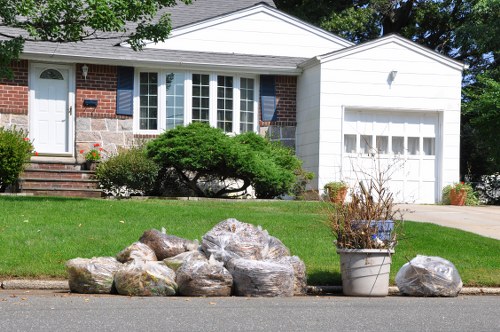
Keeping London Properties Clear, Compliant, and Easy to Live or Work In
If you live or work in the capital, you already know that waste can build up quickly. Busy households, flat shares, offices, retail units, cafes, landlords, and managing agents all face the same challenge: rubbish needs to be removed on time, with minimum disruption, and in a way that fits local rules. Council waste collection in London is part of everyday life, but it does not always cover every situation. Missed collections, overflowing bins, bulky items, renovation debris, and special one-off clear-outs often create a need for extra local support.
That is where a reliable local waste service becomes valuable. Whether you are handling domestic refuse, moving out of a flat, clearing a garden, or managing commercial waste from a busy premises, it helps to have a team that understands London streets, shared access points, controlled parking zones, and building restrictions. London properties are often compact, densely occupied, and difficult to service with standard bin arrangements alone.
This page is designed for real customers looking for clear, practical information about council waste collection in London and the wider waste removal options available when standard collection is not enough. You will find what the service usually includes, how it works, what to prepare, what affects pricing, and why a local team can make the process easier across neighbourhoods such as Camden, Hackney, Islington, Greenwich, Wandsworth, Lambeth, Southwark, Westminster, Brent, Ealing, Croydon, and beyond.
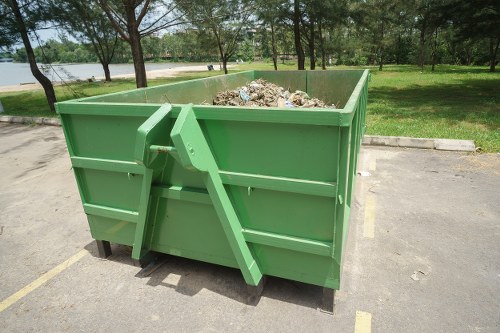
When Council Collection Is Not Quite Enough
Council collection services are important, but they are designed around scheduled rounds, standard container sizes, and general household or business waste rules. In a city like London, that can leave gaps. A family may have too much waste after a house move, a tenant may need help clearing items before a check-out inspection, or a business may have packaging and refuse that needs to be removed before opening time. In those cases, a local waste collection service can step in and help with an efficient, flexible solution.
Many London properties face practical obstacles that make waste handling harder than it sounds. Narrow roads, permit restrictions, basement flats, top-floor walk-ups, shared entrances, concierge rules, and limited kerb space all affect how quickly rubbish can be moved. London council waste collection rules also vary by borough, so residents and businesses often need a service that can work around local conditions rather than one that expects everything to fit a standard routine.
Customers often look for support with one or more of the following situations:
- Bulky items that are not suitable for regular bins
- House clearance after a move, bereavement, or tenancy change
- Office waste, filing, desks, chairs, and general commercial rubbish
- Garden waste from pruning, landscaping, or seasonal tidy-ups
- Renovation and DIY debris from kitchens, bathrooms, and refurbishments
- Overflowing bin stores in blocks of flats or managed developments

What a Local Waste Collection Service Can Help With
A good local team does more than simply remove rubbish. The service should be practical, considerate, and suited to London property types. That means understanding access, sorting waste responsibly, and working efficiently so residents, tenants, shop staff, or office teams can get back to normal quickly. When people ask about waste collection support in London, they are usually looking for a service that is easy to arrange, straightforward on the day, and adapted to their property.
Depending on the provider and the job, support may include:
- Domestic rubbish collection from houses, flats, maisonettes, and shared homes
- Bulky waste removal for furniture, mattresses, appliances, and other large items
- Office and commercial waste removal for workspaces and retail premises
- Garden clearance for branches, soil, hedge cuttings, and general green waste
- Builder’s waste removal for non-hazardous renovation and DIY materials
- End-of-tenancy clearances for landlords, tenants, and letting agents
- Probate and house clearance support for sensitive property situations
Important: a responsible team will sort items carefully and handle waste in line with local requirements. If you are clearing mixed rubbish, it is helpful to separate recyclable materials where possible, though a collection team can often advise on the best way to load and prepare items for removal.
Residential customers across London
For households, the biggest issues are usually space, timing, and access. Many London homes do not have front gardens or large driveways, and some flats rely on shared bin stores or timed collection points. If items will not fit into a normal bin round, a local collection can help you clear them in one visit rather than leaving waste sitting in communal areas.

Commercial and Landlord Waste Needs in a Busy City
London businesses need waste services that are reliable and discreet. Restaurants, cafés, hair salons, shops, workshops, studios, offices, and hospitality venues all produce different types of waste at different rates. For a business, waste that builds up in front-of-house areas, loading bays, back alleys, or shared yards can quickly affect presentation, hygiene, and day-to-day operations. A flexible waste collection service helps maintain a clean and workable environment.
Landlords and managing agents also rely on prompt waste removal. End-of-tenancy clear-outs, abandoned items, old furniture, and general rubbish left behind after a move can delay re-letting or create issues in communal areas. In larger blocks, waste can also accumulate in bin stores if tenants place items outside the usual collection pattern. This is why many property professionals look for dependable council waste collection in London alternatives when standard arrangements do not solve the problem fast enough.
For commercial customers, the service may support:
- Routine clearance of accumulated refuse outside council collections
- Pre-opening or end-of-day waste removal
- Clearance after refurbishments or fit-outs
- Removal of broken fixtures, shelving, packaging, and office furniture
- Waste from shared business premises and managed buildings
Why London businesses value local support
In central areas such as the West End, Shoreditch, London Bridge, King’s Cross, and Canary Wharf, vehicle access can be tight and timing matters. In outer boroughs, parking restrictions and loading limitations can still make waste removal awkward. A local team that knows the city can plan around these issues and reduce disruption to customers, staff, and neighbours.

How the Service Usually Works
Every job is different, but the process should be simple. Local customers typically want a waste service that is easy to understand, with no confusion about what happens next. If you are arranging a collection in London, the process often follows a straightforward pattern.
Typical service steps
- Make an enquiry: explain what needs removing, where the property is, and whether access is straightforward or difficult.
- Describe the waste: mention item types, approximate volume, floor level, and whether there are any stairs, lifts, or parking limits.
- Receive a quote: based on the information provided, you can usually get an estimate or a site assessment if needed.
- Book a convenient time: choose a slot that works for your household, tenants, or business hours.
- Collection day: the team arrives, confirms the waste, removes the items, and clears the area.
- Final check: the space is left tidy so you can move on with your plans.
The best services are clear about what they can take, how access works, and what the customer needs to do in advance. This saves time and prevents misunderstandings on the day. It also helps when the collection is taking place in a block of flats, on a busy street, or in a building with limited lift access.
If your waste is in a basement, loft, rear yard, or communal area, mention that early. In London, the shortest route is not always the easiest route. A local team will know that a job in Clapham or Peckham may need different planning from one in Finchley, Stratford, or Richmond because building layouts and parking controls can be very different.
What Is Usually Included in Council Waste Collection Support
When customers ask for help with waste collection in London, they often want to know exactly what is covered. While every provider is different, the service commonly includes collection, loading, transport, and responsible handling of the waste. Some teams can also help with sorting, separating items, and identifying materials that should be treated differently.
Common inclusions may be:
- Collection from the property or agreed loading point
- Manual handling of items that are too large or awkward for bins
- Removal from flats, houses, offices, or commercial premises
- Careful loading to reduce mess and disruption
- Transportation away from the site after collection
- Advice on how to prepare and separate waste where needed
For many customers, the real value is convenience. Instead of waiting for another council round, arranging multiple trips to a recycling centre, or leaving items in a hallway or outside a shop, everything can be cleared in one organised visit. That is especially helpful where space is limited or where you need the property back to normal quickly.
Items often requested for collection
Typical jobs include sofas, chairs, tables, wardrobes, beds, mattresses, appliances, boxes, bags of mixed rubbish, old office furniture, garden cuttings, and non-hazardous renovation waste. If you are unsure whether a particular item can be taken, it is always better to ask in advance rather than assume. This is especially important for electrical items, heavy materials, or anything that may require special handling.
Tip for London customers
If your collection point is through a concierge desk, underground car park, or controlled entry system, let the team know ahead of time. A few practical details can save a lot of waiting on the day.
What Affects the Cost of Waste Collection in London?
People often want a simple answer to pricing, but waste removal costs usually depend on the job itself. A fair quote should reflect the amount of waste, the type of items, access conditions, labour required, and any extra handling needed. London properties are varied, and that naturally affects the time and effort involved.
Pricing factors commonly include:
- Volume of waste: how much needs to be removed and how much space it takes in the vehicle
- Type of waste: general rubbish, bulky furniture, garden waste, commercial waste, or builder’s debris
- Access: whether the team has easy kerbside access or must carry items from upper floors, back gardens, or basements
- Labour required: the number of people needed to complete the job safely and efficiently
- Timing: whether the collection is urgent or arranged at a standard time
- Parking and loading conditions: controlled zones, permit restrictions, and congestion factors in some parts of London
It is sensible to ask for a clear quote before booking. If the waste is mixed or hard to estimate, photos can often help give a more accurate idea. This is particularly useful for larger clearances in converted houses, mansion blocks, terrace properties, and commercial units where the amount of waste may not be obvious from the street.
Customers should also be cautious about very vague pricing. A trustworthy local service will explain what is included and what information is needed, rather than leaving you uncertain about the final arrangement. That transparency matters in London, where access issues can add real time to a job.
Why Choose a Local London Waste Collection Team?
There is a real benefit to choosing a company that works in London every day. Local knowledge is not just about geography; it is about understanding how the city functions. Traffic patterns, borough collection rules, parking controls, shared access, and property layouts all affect how smoothly a waste collection can be completed.
Reasons local experience matters:
- Familiarity with busy streets, one-way systems, and restricted access zones
- Better planning around parking and loading restrictions
- Understanding of common London property types, from Victorian terraces to high-rise apartments
- Faster response for urgent or time-sensitive clearances
- More practical support for landlords, tenants, offices, and retail customers
- Less disruption to neighbours, staff, or residents
In many parts of London, a collection can be straightforward only if the team knows what to expect. A basement flat in Battersea, a top-floor conversion in Hammersmith, a shop in Dalston, or a managed block in Lewisham may all require different planning. A local provider is more likely to anticipate those issues and arrive prepared.
Useful for both domestic and commercial customers
One of the biggest advantages of a flexible service is that it can support very different customers. Homeowners want clutter removed quickly and carefully. Tenants need an efficient way to clear leftovers before moving. Offices need clean, tidy removal that does not interrupt work. Retail and hospitality businesses need prompt handling so public areas stay presentable. Local waste collection support can suit all of these situations.
Preparing for Your Collection
A little preparation makes collection day smoother and can help keep the cost and effort under control. You do not need to do everything yourself, but it helps to have a clear idea of what is going, where it is located, and how accessible it is.
Preparation checklist
- Separate items you definitely want removed from anything staying in the property
- Check whether any items can be recycled separately
- Clear a route to the waste if possible
- Let the team know about stairs, lifts, locked gates, or concierge procedures
- Arrange parking or loading details if your street has restrictions
- Tell the provider about any large, heavy, or awkward items in advance
- Keep children, pets, and residents away from the work area while loading is taking place
If you are preparing a flat in a converted building, an office suite, or a shared house, it is also worth confirming who is responsible for access. In London, many jobs are delayed not by the amount of waste, but by uncertainty over entry codes, lift use, or loading bay availability. The more clearly you can explain the setup, the easier the service can be scheduled.
For businesses, it may help to plan collections outside the busiest customer hours. Early mornings, quieter trading periods, or pre-opening slots can reduce disruption and make access simpler. If your premises are in a tight commercial street in Soho, a mixed-use building in Hackney, or a parade of shops in Walthamstow, planning matters even more.
What not to leave until the last minute
Do not wait until the day of collection to check whether bulky items can be moved through the building, whether permits are needed, or whether someone will be available to grant access. A short pre-check prevents avoidable delays.
Areas Covered Across London
Customers often want to know whether a local waste team can reach their part of the city. London is large, varied, and constantly changing, so coverage matters. A service focused on the capital should be able to work across central, inner, and outer areas, including both residential streets and busy commercial districts.
Areas commonly served may include, but are not limited to:
- Central London districts such as Westminster, Holborn, Covent Garden, and the City fringe
- North London areas such as Camden, Islington, Haringey, Barnet, and Enfield
- East London locations such as Hackney, Tower Hamlets, Newham, and Waltham Forest
- South London communities such as Lambeth, Southwark, Lewisham, Greenwich, and Croydon
- West London boroughs such as Ealing, Hammersmith and Fulham, Brent, Hounslow, and Richmond upon Thames
- South-west and outer areas including Wandsworth, Merton, Kingston, and nearby neighbourhoods
Coverage matters not just for convenience, but for the practical details that come with London locations. A job in a quiet residential street is very different from a collection in a busy high-street unit or a block with shared bin stores. Choosing a provider that works locally improves the chance of a smooth, well-organised visit.
Responsible Waste Handling and Recycling
Many customers want to know what happens after the waste is collected. Responsible handling matters. A professional service should aim to sort and manage waste in line with current requirements and should take recycling seriously where the material allows it. This is especially important in a city like London, where customers are increasingly conscious of the environmental impact of disposal.
Good practice typically includes:
- Separating recyclable materials where possible
- Handling items safely during loading and transport
- Avoiding unnecessary damage to shared areas or property
- Taking care with electrical items and mixed waste streams
- Reducing mess around entrances, stairwells, and communal spaces
Customers do not need to become waste experts, but they do want reassurance that items are being dealt with properly. Asking about handling methods is sensible, especially for larger clearances or mixed loads. If you have furniture, white goods, cardboard, or mixed rubbish, it helps to know whether the service can separate items and advise on the best way to load them.
For property managers and landlords
In managed buildings and rental properties, waste can become a repeat issue if the collection arrangement is not flexible enough. A local service can help with one-off clearances as well as recurring needs after tenant turnover, refurbishments, or communal waste build-up. That makes it easier to keep shared areas presentable and reduce complaints.
Frequently Asked Questions
Can you collect waste from flats and upper floors?
Yes, many collections are from flats, maisonettes, and upper-floor properties. It helps to mention stairs, lifts, and access details when booking so the team can plan properly.
Do I need to put the waste outside before collection?
Not always. Some services can collect from inside the property or from a rear yard, basement, or communal area, depending on access. Ask in advance so the collection can be arranged safely and efficiently.
What if I have mixed waste?
Mixed waste is common in London, especially after clear-outs, moves, or refurbishments. If possible, separate recyclable items and tell the provider what is included so they can advise on the right approach.
Can businesses arrange waste collection outside normal hours?
Many commercial customers prefer early, late, or quieter time slots to reduce disruption. Availability depends on the service, but it is worth asking if timing is important.
Will the team remove bulky furniture?
Bulky furniture is one of the most common reasons customers arrange extra waste collection. Items such as sofas, wardrobes, tables, and mattresses are often included, subject to the provider’s waste acceptance rules.
What details should I provide for a quote?
Give the property type, postcode area, approximate amount of waste, item types, floor level, and any access or parking issues. Photos can also help when the waste pile is hard to estimate.
Is this service suitable for landlords and agents?
Yes. Landlords, letting agents, and managing agents often need one-off or recurring waste support for end-of-tenancy clearances, abandoned items, and communal waste problems.
How quickly can a collection be arranged?
Timing varies by workload and area, but local teams often aim to respond efficiently. If your situation is urgent, mention that when making an enquiry so the best available option can be discussed.
Book Council Waste Collection Support When You Need It
If you are dealing with unwanted rubbish, bulky items, or a property that needs clearing quickly, it helps to have a local team that understands London’s practical challenges. From tight parking and busy high streets to shared entrances and multi-storey buildings, the city creates real obstacles that standard arrangements do not always solve. A reliable collection service gives you a straightforward way to clear space and move forward.
Whether you are a homeowner in a terrace, a tenant in a flat, a landlord with a turnover issue, or a business owner trying to keep your premises tidy, the right waste collection support can save time and reduce stress. Council waste collection in London is part of the picture, but extra local help is often what makes the difference when the job needs to be handled properly and without delay.
Request a free quote, discuss your access details, and choose a collection time that suits your property or business. Contact us today if you need a practical waste removal solution in London, and book your service now when you are ready to clear the space.
For a smooth booking, have your postcode, waste type, and access details ready before you enquire.